The recommended daily intake for zinc is 11mg per day for adult men and 8mg per day for adult women, according to the National Institutes of Health. Pregnant women need 11mg and breastfeeding women need 12mg per day. Let's take a look at the best food sources to help you hit those targets.
Oysters
Oysters are the single richest source of zinc of any food on the planet. Six medium-sized oysters provide around 32mg of zinc — approximately 300% of the daily value for men and over 400% for women. Even a small serving delivers an exceptional zinc boost. Oysters are also low in calories and high in protein, making them an excellent choice if you can include them in your diet regularly. Other shellfish like shrimp and crab also contribute meaningful amounts of zinc, though not quite as dramatically as oysters.Beef
Red meat, particularly beef, is one of the most reliable everyday sources of zinc. A 100g serving of beef contains approximately 4.8mg of zinc — around 44% of the daily value for men. Beef also comes with the advantage of high bioavailability, meaning the zinc in animal foods is absorbed more efficiently by the body than zinc from plant sources. Beyond zinc, beef provides significant amounts of iron, B vitamins, and creatine. As with all red meat, moderation is key — aim for unprocessed cuts and pair with plenty of vegetables and fibre to keep your overall diet balanced.Pork and Lamb
Pork and lamb are two further excellent sources of zinc among the meats. A 100g serving of pork provides roughly 2–3mg of zinc depending on the cut, while lamb is similarly rich. Both are also good sources of protein and iron, making them a nutritious addition to a balanced diet.Pumpkin Seeds
For those looking for plant-based zinc sources, pumpkin seeds are one of the best options available. A one-ounce (28g) serving provides around 2.2mg of zinc — approximately 20% of the daily value. They are also packed with fibre, healthy fats, magnesium, and iron. Pumpkin seeds make an excellent addition to salads, soups, yogurt, or eaten as a standalone snack. Hemp seeds and sesame seeds are also worth including, with hemp seeds in particular providing impressive zinc levels per serving.Legumes
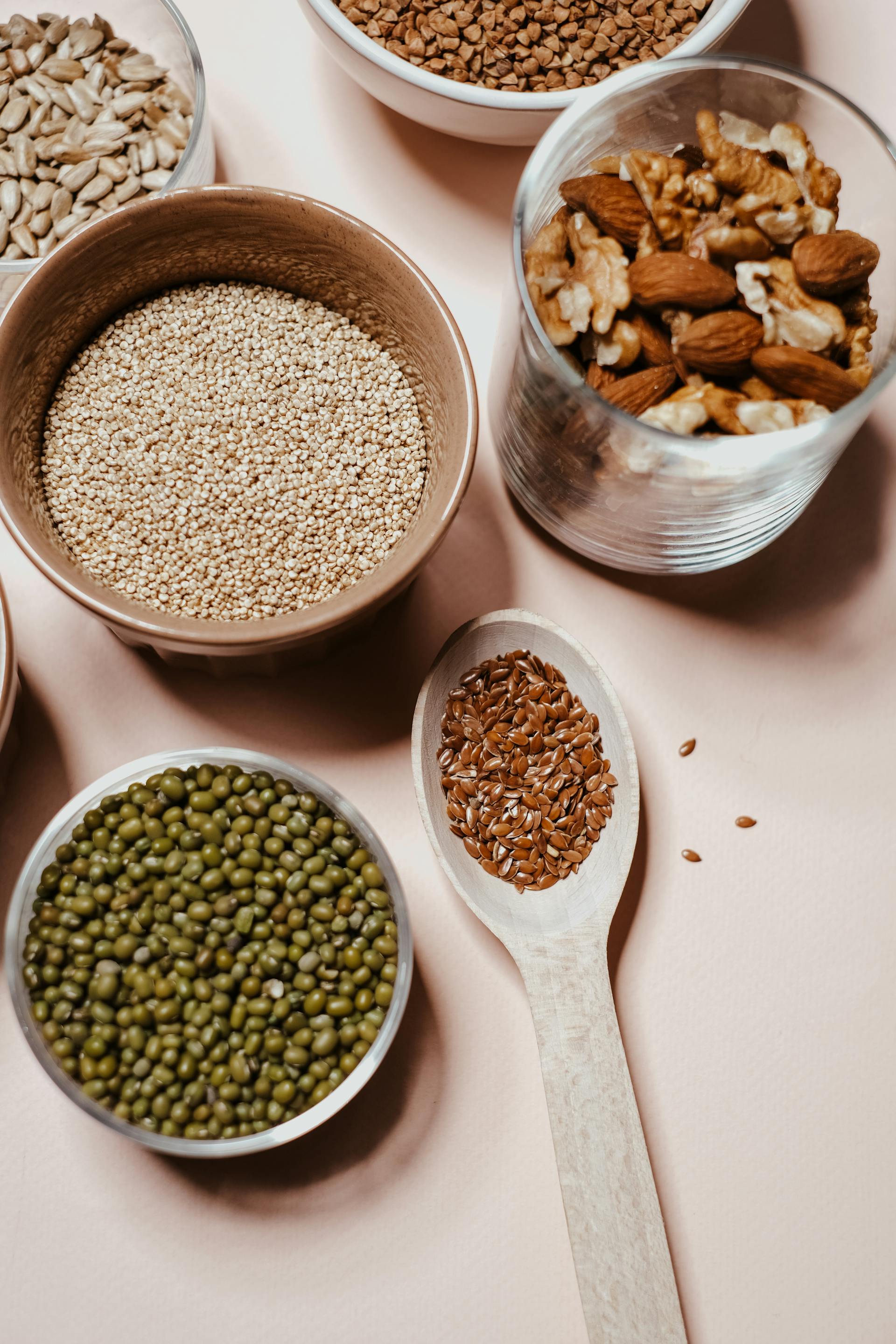
Beans, lentils, and chickpeas contain meaningful amounts of zinc and are particularly valuable for vegetarians and vegans who cannot rely on meat and shellfish. A 100g serving of cooked lentils provides around 12% of the daily zinc requirement. However, legumes also contain phytates — naturally occurring compounds that bind to zinc and reduce how much the body can absorb. Soaking, sprouting, or fermenting legumes before cooking helps break down phytates and improves zinc bioavailability significantly. Legumes are also an outstanding source of dietary fibre and plant-based protein.Nuts and Seeds
Several nuts provide a useful contribution to daily zinc intake. Cashews stand out among nuts, with a 30g serving delivering around 1.7mg of zinc alongside protein and magnesium. Almonds provide approximately 1mg per ounce along with vitamin E and healthy fats. Pine nuts, peanuts, and walnuts also contain moderate amounts. Like legumes, nuts contain phytates, so choosing raw or minimally processed varieties and consuming a varied mix across the day is the best approach.Dairy Products
Dairy is a convenient and bioavailable source of zinc. A cup of milk provides around 1mg of zinc, while cheese — particularly hard cheeses like cheddar — is a richer source per gram. Yogurt is another good option, and the combination of zinc with calcium and protein in dairy products makes them a nutritionally dense choice for daily meals and snacks. The zinc in dairy is well absorbed by the body, making it a reliable source for those who include it in their diet.Whole Grains
Oats, wheat, quinoa, and rice all contain zinc, though as with legumes, the phytate content in whole grains reduces zinc absorption compared to animal sources. A half-cup serving of oats provides around 1.5mg of zinc, which is a meaningful contribution to daily intake, especially when combined with other zinc-rich foods across the day. Despite the reduced bioavailability, whole grains remain a valuable dietary choice given their broader nutritional profile — providing fibre, B vitamins, magnesium, iron, and selenium alongside zinc.Dark Chocolate
Dark chocolate is a surprising but legitimate zinc source. A 100g bar of 70–85% dark chocolate contains around 3.3mg of zinc — approximately 30% of the daily value for men. It also provides iron, magnesium, and antioxidants. The caveat, of course, is that dark chocolate is calorie-dense and contains sugar, so it is best enjoyed in moderation rather than relied upon as a primary zinc source. That said, a square or two of good quality dark chocolate makes for a genuinely nutritious treat.Signs of Zinc Deficiency
Zinc deficiency is more common than many people realise, particularly among vegetarians, vegans, people with digestive conditions that impair absorption, and those with high alcohol intake. Common signs of deficiency include slow wound healing, frequent infections, hair loss, loss of taste or smell, skin problems, and poor appetite. In children, zinc deficiency can impair growth and development. If you suspect you may be deficient, speak to your doctor — a blood test can help clarify your status, and dietary changes are usually the first line of response before supplementation is considered.Tips for Maximising Zinc Absorption
Not all zinc is created equal in terms of how well the body absorbs it. Animal-based zinc sources (meat, shellfish, dairy) have the highest bioavailability. To make the most of plant-based zinc sources, soak or sprout legumes and grains before cooking to reduce phytate content. Combining zinc-rich plant foods with a source of vitamin C can also support overall mineral absorption. Avoid taking zinc supplements with calcium supplements, as high calcium intake can compete with zinc absorption. And be aware that excessive zinc supplementation — generally above 40mg per day over time — can actually impair immune function and reduce copper absorption, so more is not always better.Getting enough zinc through a varied, balanced diet is achievable for most people. Prioritise shellfish, meat, and dairy if you eat them, and supplement plant sources like legumes, seeds, nuts, and whole grains to round out your intake. For a complete overview of all essential nutrients in one place, see our Complete Guide to Essential Nutrients.
References
- NIH Office of Dietary Supplements — Zinc — Authoritative reference on zinc
- Harvard T.H. Chan — Zinc — Evidence-based overview
- Mayo Clinic — Zinc — Clinical guidance on zinc
- CDC — Zinc — Federal guidance on zinc nutrition
- USDA FoodData Central — Reference database for nutrient content of foods