The NIH Office of Dietary Supplements recommends 600 IU (15 mcg) per day for most adults, rising to 800 IU for adults over 70. Many researchers argue these recommendations are too low; vitamin D deficiency is genuinely common, affecting an estimated 35-40% of US adults and even higher percentages in regions with limited winter sun.
The challenge is that very few foods naturally contain meaningful vitamin D — most dietary intake in the developed world comes from fortified products and supplements rather than naturally vitamin D-rich foods.
Why Vitamin D Matters
Vitamin D’s most established role is in calcium absorption and bone health. Without adequate vitamin D, the body cannot absorb dietary calcium efficiently, leading to weaker bones and increased fracture risk over time. In children, severe deficiency causes rickets; in adults, it contributes to osteoporosis.
Beyond bone health, vitamin D plays roles in immune function, muscle function, and possibly mood regulation. The evidence for vitamin D supplementation preventing respiratory infections, cardiovascular disease, or depression is mixed and less conclusive than for bone health, but adequate vitamin D status is associated with better outcomes across many domains.
Oily Fish (Best Natural Source)
Fatty fish are the most concentrated natural source of vitamin D:
- Wild salmon — 600-1,000 IU per 3.5oz (100g) serving
- Farmed salmon — 250-400 IU per 100g serving
- Mackerel — 350-600 IU per 100g
- Sardines — 200-300 IU per 100g
- Tuna (canned in oil) — 200-270 IU per 100g
- Trout — 540 IU per 100g
- Cod liver oil — 1,360 IU per tablespoon (the most concentrated source of dietary vitamin D)
Two servings of fatty fish per week makes a substantial contribution toward the daily target.
Fortified Foods
In the US and many other countries, milk, plant milks, breakfast cereals, and orange juice are commonly fortified with vitamin D. Always check the label, as amounts vary:
- Milk (fortified) — 100-150 IU per cup
- Fortified plant milks (soy, almond, oat) — 100-150 IU per cup
- Fortified orange juice — 100-140 IU per cup
- Fortified breakfast cereals — 40-130 IU per serving
- Fortified yoghurt — 80-100 IU per serving
Eggs and Other Sources
- Eggs (yolk) — 40 IU per large egg
- UV-exposed mushrooms — 100-400 IU per cup (read the label)
- Beef liver — 50 IU per 100g
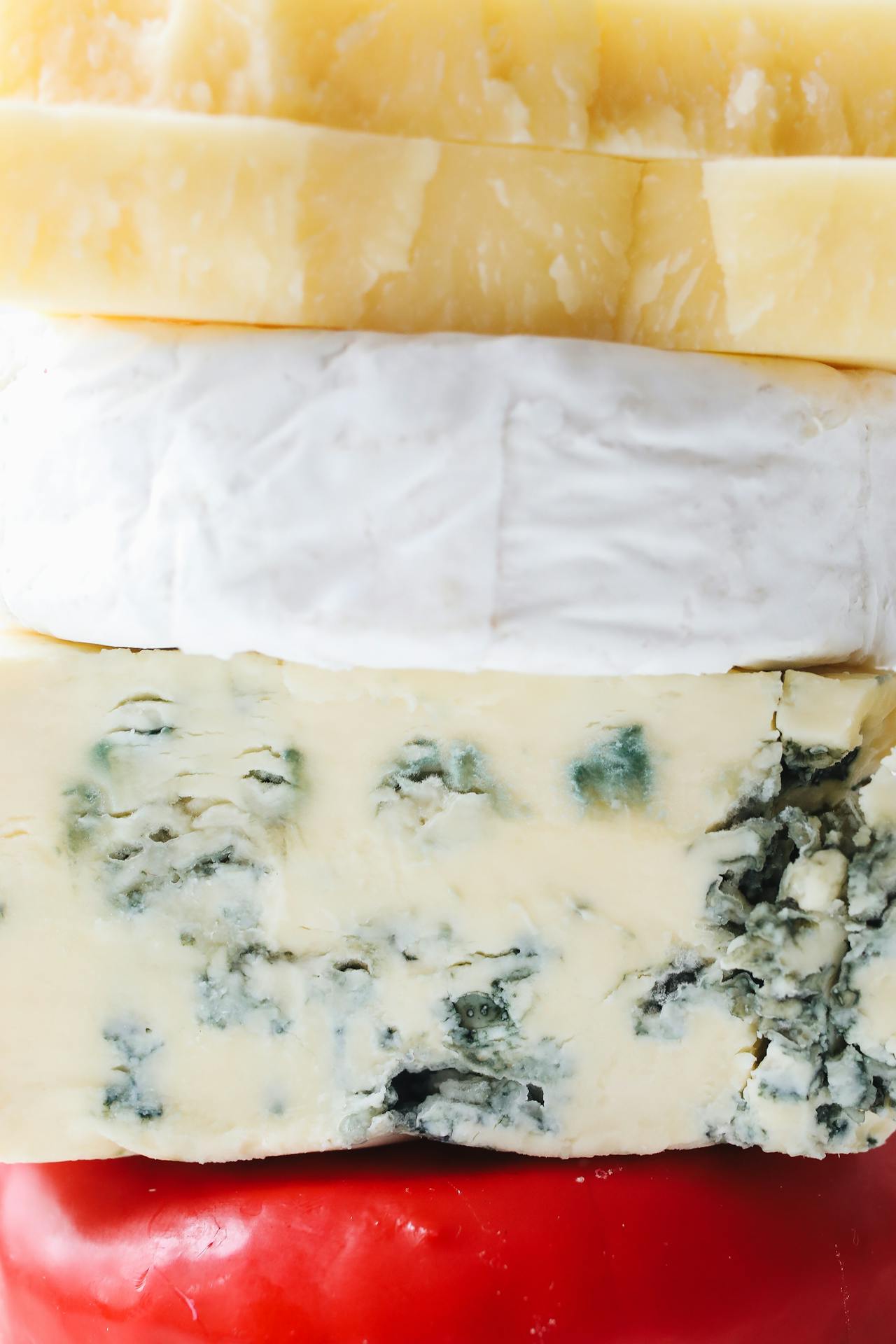
- Cheese — 5-10 IU per ounce
Mushrooms are unique among plant foods in that they can produce vitamin D when exposed to UV light. Some commercial mushroom growers expose their crop to UV deliberately and label them as vitamin D-enhanced — these can be a useful plant source.
Sun Exposure: Still the Most Efficient Source
When UVB radiation hits the skin, your body produces vitamin D efficiently — much more efficiently than dietary intake. Roughly 10-30 minutes of midday sun on bare arms and legs, several times per week, generates substantial vitamin D for most people during spring through autumn. Skin tone matters: darker skin requires longer exposure to generate the same amount. North of around 37° latitude (roughly the line of Richmond, Virginia or Madrid, Spain), winter UVB is too weak to support meaningful synthesis from October to March.
Sunscreen, while important for skin cancer prevention, also blocks vitamin D synthesis. The practical compromise most dermatologists suggest is brief unprotected exposure for vitamin D synthesis, followed by sunscreen for longer time in the sun.
Supplementation
For most adults living at higher latitudes, particularly during winter, a vitamin D supplement is often more practical than trying to get enough through food alone. Common doses are 1,000-2,000 IU/day, which is well within the safe range. Higher doses should be discussed with your doctor and ideally guided by a blood test (25-hydroxyvitamin D). The Endocrine Society generally considers blood levels above 30 ng/mL adequate.
Vitamin D is fat-soluble, so it’s best absorbed when taken with a meal containing some fat.
References
- NIH Office of Dietary Supplements — Vitamin D — Authoritative reference on vitamin D
- NIH — Calcium and Vitamin D: Important at Every Age — Federal guidance
- Harvard T.H. Chan — Vitamin D — Evidence-based overview
- Mayo Clinic — Vitamin D — Clinical guidance on vitamin D
- Endocrine Society — Vitamin D Deficiency Guidelines — Professional society clinical guidelines
- USDA FoodData Central — Reference database for nutrient content of foods