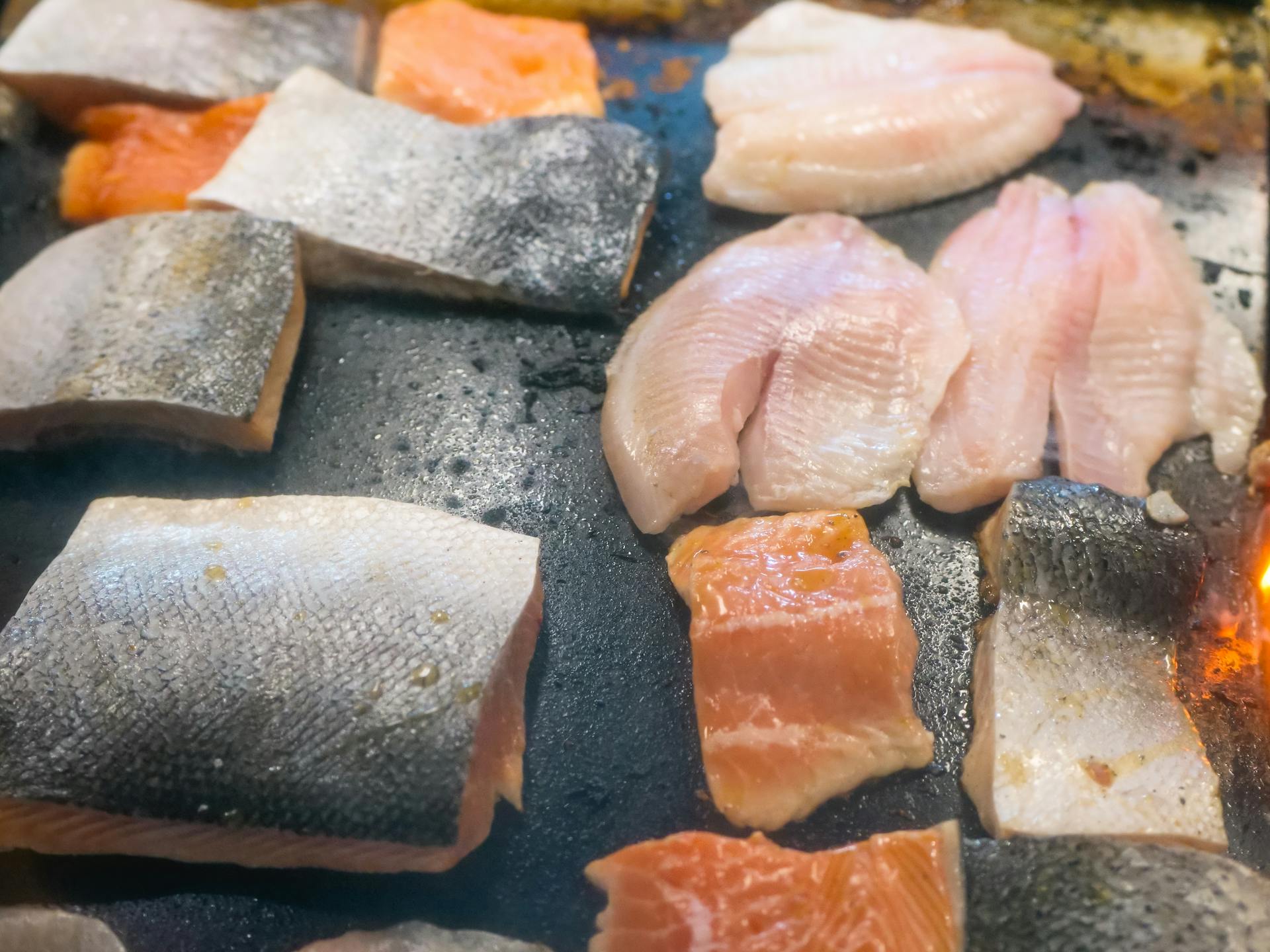
This guide compares the most popular fish and seafood on the key nutritional metrics that matter most: calories, protein, fat, omega-3 content, and overall suitability for different dietary goals. We cover salmon, tuna, tilapia, cod, shrimp, sardines, mackerel, halibut, and trout in detail, with specific comparisons and recommendations for different situations.
Why Fish Is Such a Valuable Part of a Healthy Diet
Fish provides complete protein — meaning it contains all nine essential amino acids — in a highly bioavailable form. Most fish are lower in calories per gram of protein than beef, pork, or even chicken, making them exceptionally efficient sources of nutrition. Beyond protein, oily fish like salmon, mackerel, and sardines are among the richest dietary sources of omega-3 fatty acids, which support cardiovascular health, brain function, and inflammation reduction.White fish like cod, tilapia, and halibut are leaner and lower in fat, making them ideal for calorie-controlled diets. Shrimp occupies a unique position — very low in calories and fat but also lower in omega-3s than oily fish. Tuna sits in the middle, offering high protein at moderate calories with decent omega-3 content depending on the variety.
Nutritional Overview: Popular Fish at a Glance
The following figures are per 100g serving, cooked:| Fish | Calories | Protein | Fat | Omega-3 |
|---|---|---|---|---|
| Salmon | 208 | 20g | 13g | High |
| Tuna (fresh) | 144 | 23g | 5g | Moderate |
| Tilapia | 128 | 26g | 3g | Low |
| Cod | 105 | 23g | 1g | Low |
| Shrimp | 99 | 24g | 0.3g | Low |
| Sardines | 208 | 25g | 11g | Very High |
| Mackerel | 205 | 19g | 14g | Very High |
| Halibut | 111 | 23g | 2g | Low-Moderate |
| Trout | 190 | 21g | 11g | High |
Oily Fish vs White Fish
The most important nutritional distinction in fish is between oily and white fish. Oily fish — salmon, mackerel, sardines, trout — have fat distributed throughout their flesh rather than concentrated in the liver. This fat is predominantly unsaturated and rich in omega-3 fatty acids, making oily fish the better choice for cardiovascular and brain health. White fish — cod, tilapia, halibut — are leaner and lower in total fat, making them better suited to very low-calorie diets where every calorie counts.Neither category is superior overall — the right choice depends on your specific nutritional goals. If omega-3 intake and heart health are priorities, oily fish wins. If you need to maximise protein while minimising calories, white fish is the better option.
Detailed Comparisons
For in-depth head-to-head comparisons between specific fish, see our detailed guides:- Salmon vs Tuna — Nutrition Compared
- Salmon vs Tilapia — Nutrition Compared
- Shrimp vs Salmon — Nutrition Compared
- Tuna vs Cod — Nutrition Compared
- Healthiest Fish for Weight Loss
- Fish with the Most Protein
- Fish vs Chicken — Calories and Nutrition Compared
Which Fish Should You Eat?
There is no single best fish — the answer depends on what you are trying to achieve. For weight loss, cod, tilapia, shrimp, and halibut offer the best protein-to-calorie ratio. For omega-3s and heart health, salmon, mackerel, and sardines are unmatched. For pure protein content, sardines, tilapia, and tuna lead the field. For overall nutritional balance, salmon is hard to beat — it provides high protein, high omega-3s, significant vitamin D, and B vitamins in a single serving.The broader recommendation from most nutrition professionals is to eat fish at least twice a week, varying between oily and white fish to get the benefits of both. Use our salmon, tuna, cod, and other fish nutrition pages to see the full breakdown for each species and find the best fit for your daily calorie and protein targets. You can also use our Daily Calorie Needs Calculator to set a personalised daily calorie target.
References
- Academy of Nutrition and Dietetics — Fish and Seafood — Professional dietitian guidance
- American Heart Association — Fish and Omega-3 Fatty Acids — Cardiovascular health guidance on fish consumption
- FDA — Advice About Eating Fish — Federal mercury advisory and safe seafood guidance
- Harvard T.H. Chan — Fish: Friend or Foe? — Evidence-based overview of fish in the diet
- Dietary Guidelines for Americans 2020-2025 — Federal guidance on seafood as part of a healthy diet
- USDA FoodData Central — Reference database for nutrient content of foods