Shrimp vs Salmon: Nutrition Compared
By Alex Soto on 05/04/2026- Save on Pinterest
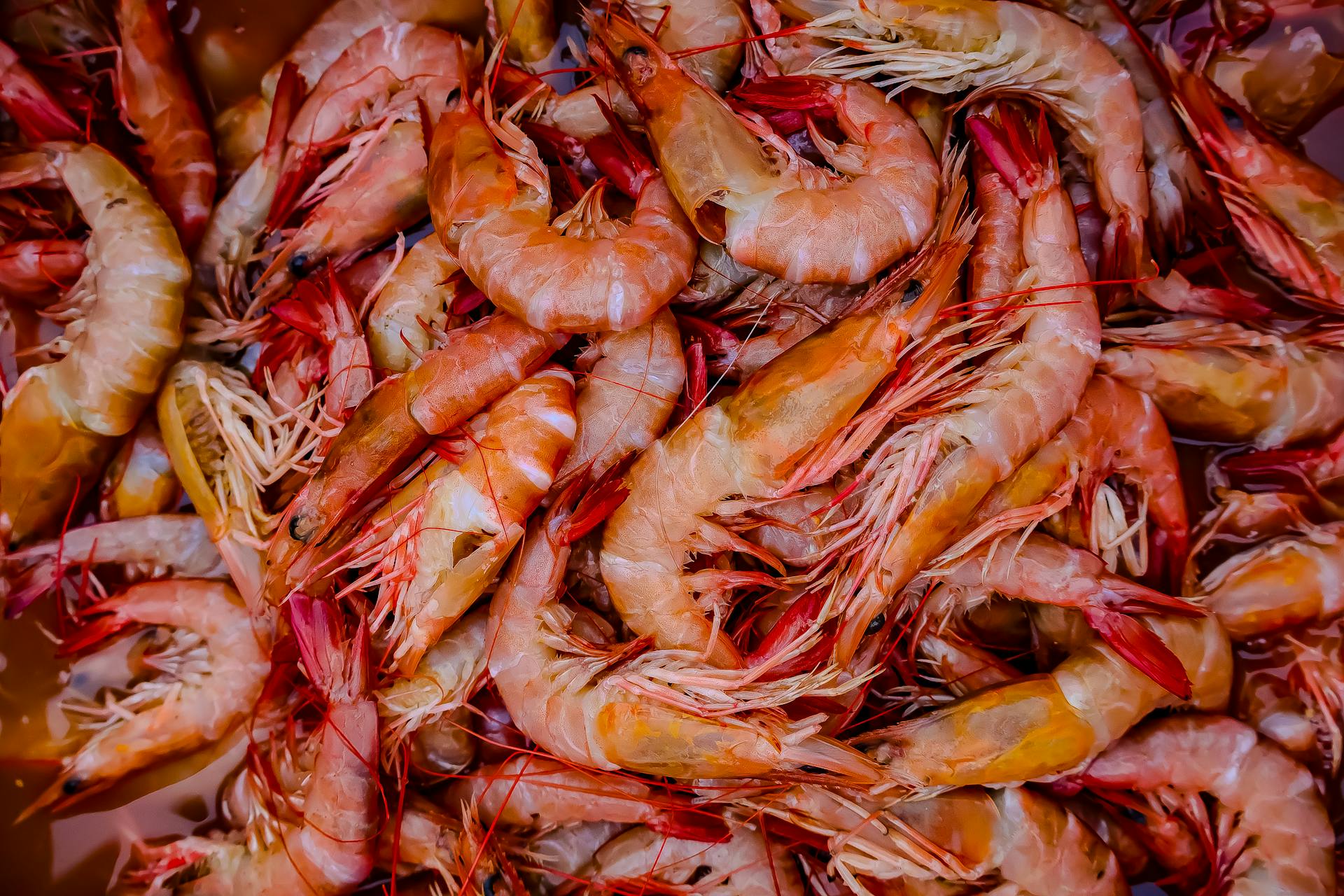 Shrimp and salmon are both widely eaten seafood options, but nutritionally they are quite different. Shrimp is one of the lowest-calorie protein sources available, while salmon is a calorie-dense oily fish packed with omega-3s. Which is better for your diet depends entirely on what you are trying to achieve.
This is part of our Fish Nutrition Complete Guide. See also Salmon vs Tuna and Healthiest Fish for Weight Loss.
Calories: Shrimp Is Among the Lowest of Any Protein Source
Shrimp contains approximately 99 calories per 100g cooked — roughly half the calories of salmon at around 208 calories. This makes shrimp one of the most calorie-efficient protein sources of any food, not just seafood. For anyone in a significant calorie deficit, shrimp is exceptionally useful for keeping meals filling without a high calorie cost.Protein: Shrimp Slightly Leads Per 100g
Shrimp provides approximately 24g of protein per 100g, compared to salmon's 20g. Combined with its very low calorie count, shrimp has one of the best protein-to-calorie ratios of any food. A 200 calorie serving of shrimp provides around 48g of protein — exceptional value for anyone focused on high protein intake.Fat and Omega-3s: Salmon Wins Decisively
Shrimp contains less than 1g of fat per 100g and is very low in omega-3 fatty acids. Salmon, by contrast, contains around 13g of fat per 100g with very high omega-3 content. If omega-3 intake is important to you — for heart health, brain function, or inflammation — salmon is far superior. Shrimp simply cannot match salmon in this regard.Cholesterol: Shrimp Is Higher
One notable difference is cholesterol content. Shrimp is relatively high in dietary cholesterol at around 189mg per 100g, compared to salmon's approximately 63mg. Current nutritional guidelines have moved away from strict dietary cholesterol limits for most people, as dietary cholesterol has less impact on blood cholesterol than saturated fat for the majority of individuals. However those with specific cholesterol management needs may want to moderate shrimp intake and discuss with their doctor.Which Should You Choose?
Choose shrimp if: you are counting calories carefully, want maximum protein for minimum calories, or need a quick low-calorie high-protein meal.Choose salmon if: omega-3s, vitamin D, and broader nutritional density are priorities.
Both are excellent choices and work well together in a varied diet. Use our Daily Calorie Needs Calculator to find your daily targets and our Food Tracker to log your intake.
| fish | nutrition | healthy foods