Tuna vs Cod: Nutrition Compared
By Alex Soto on 05/06/2026- Save on Pinterest
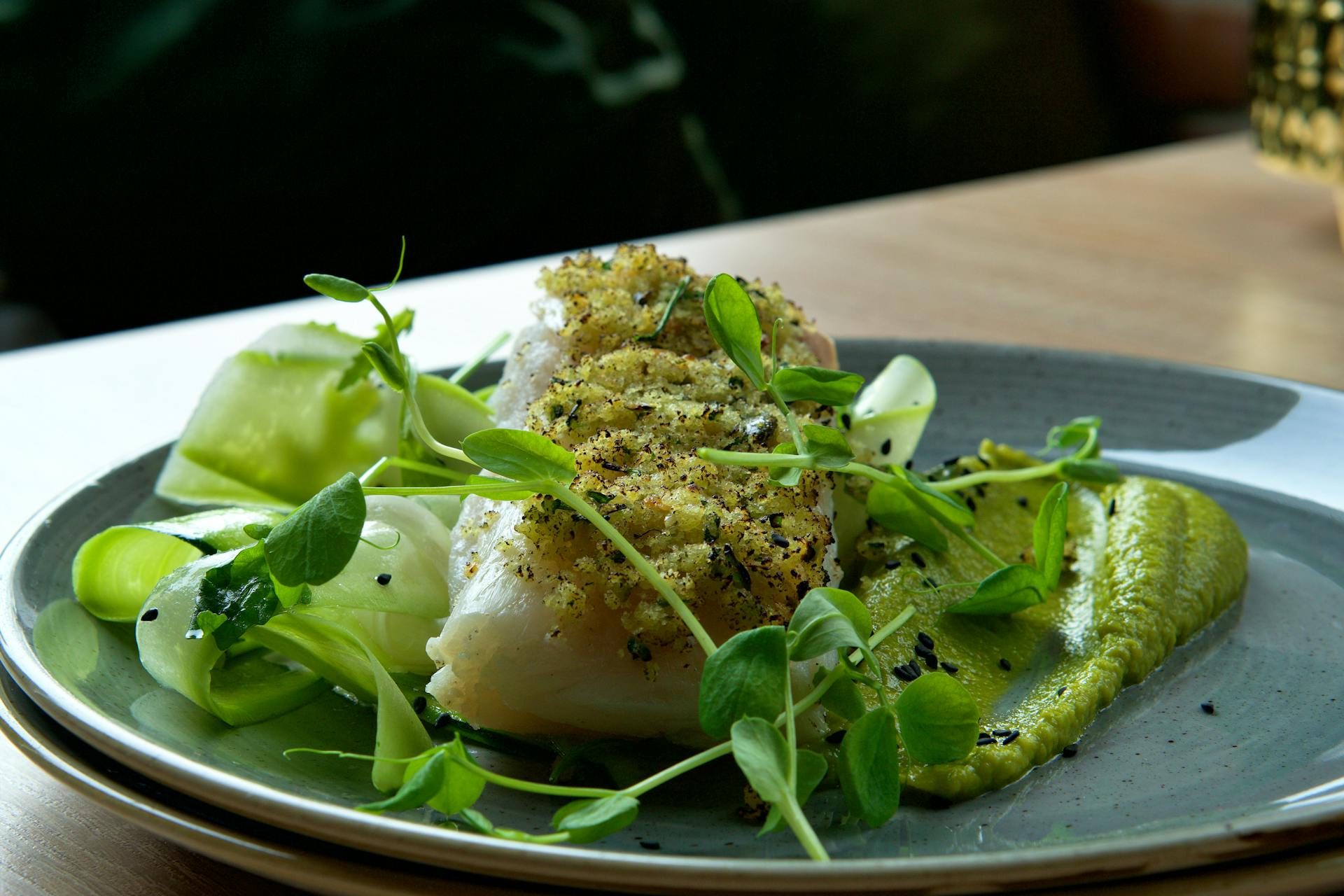 Tuna and cod are both lean white-to-light fish that are popular for their mild flavour and high protein content. They are closer nutritionally than most fish comparisons, but there are meaningful differences worth understanding before choosing between them.
This is part of our Fish Nutrition Complete Guide. See also Salmon vs Tuna and Fish with the Most Protein.
Calories: Cod Is Lower
Cod contains approximately 105 calories per 100g cooked, compared to around 144 calories for tuna. Both are lean fish with low fat content, but cod's slightly lower calorie density makes it marginally better for very low-calorie diets. The difference is smaller than oily versus white fish comparisons — about 39 calories per 100g.Protein: Tuna Leads
Tuna provides approximately 23g of protein per 100g, while cod provides around 23g as well — effectively equal. Both are excellent protein sources and will comfortably support muscle maintenance and satiety. Where tuna may have a slight edge is in providing that protein at a higher concentration relative to its size, meaning a smaller portion of tuna delivers the same protein hit.Fat and Omega-3s: Tuna Has a Modest Edge
Both are lean fish, but tuna contains slightly more omega-3 fatty acids than cod. Neither comes close to salmon, mackerel, or sardines for omega-3 content, but between the two, tuna is the better source. Cod contains around 0.2g of omega-3s per 100g, while tuna (particularly bluefin) can contain significantly more depending on the variety.Vitamins and Minerals
Both fish are good sources of B vitamins, particularly B12 and niacin. Cod has a notable advantage in iodine — it is one of the best dietary sources of this mineral, which supports thyroid function. Tuna provides more selenium and vitamin D than cod. Overall both are nutritious choices with complementary micronutrient profiles.Which Should You Choose?
Choose cod if: you want the lowest possible calorie count, are looking for an iodine-rich food, or prefer a very mild white fish flavour.Choose tuna if: you want slightly more omega-3s and selenium, or prefer the stronger flavour and convenience of canned options.
Both are among the best lean protein sources available. Including both in your diet gives you variety while keeping protein high and calories manageable. Use our Daily Calorie Needs Calculator to set your daily targets.
| fish | nutrition | healthy foods