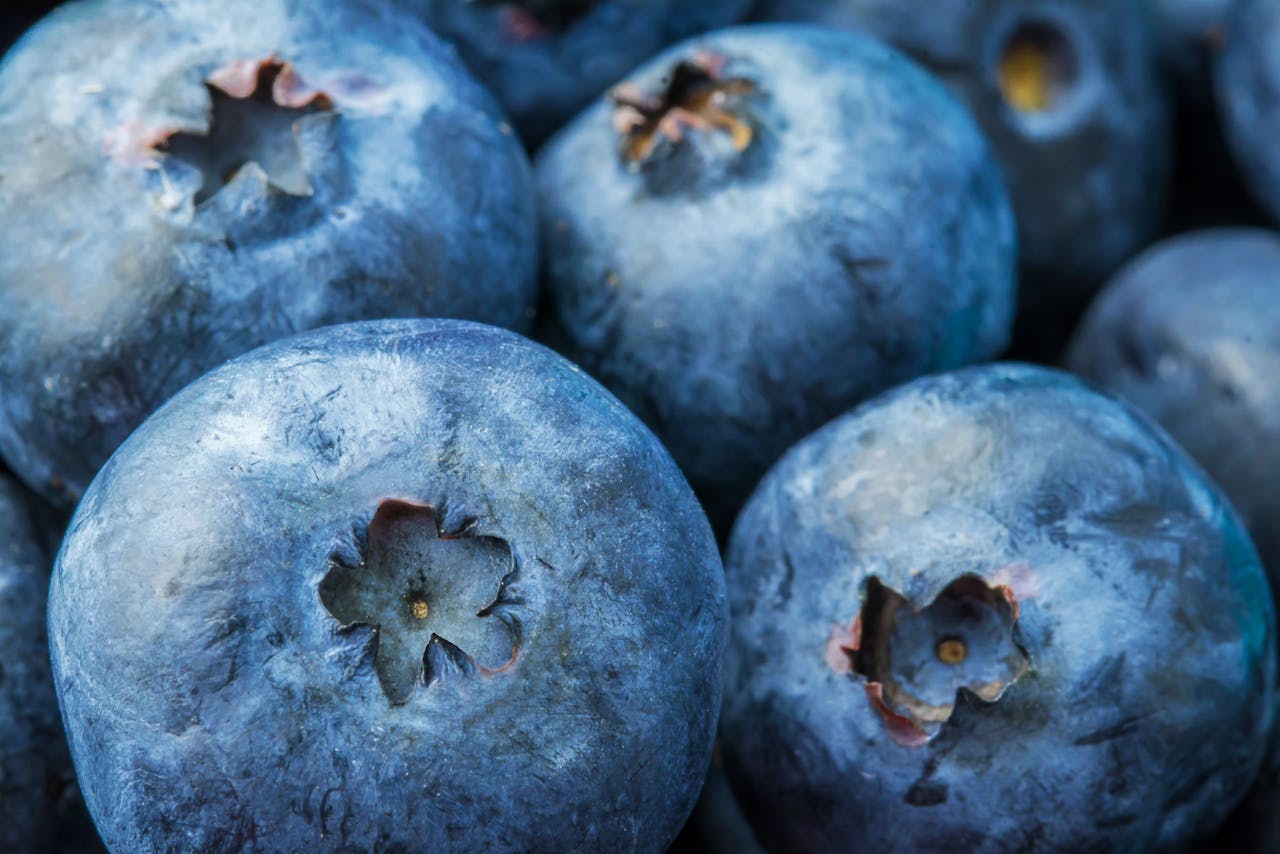
The good news is that antioxidant-rich foods are some of the most delicious and versatile ingredients in any kitchen. Here are the ones most worth adding to your regular rotation.
Dark Chocolate
If you needed another excuse to eat dark chocolate, here it is. Dark chocolate — particularly varieties with 70% cocoa or higher — is one of the most antioxidant-dense foods available. It's loaded with flavanols, a type of polyphenol antioxidant that has been linked to improved blood flow, lower blood pressure, and better cardiovascular health. A square or two after a meal isn't just enjoyable — it's genuinely good for you. Just keep portions reasonable given the calorie density. Full nutrition details for dark chocolate here.
Kale
Kale is consistently near the top of antioxidant rankings for vegetables. It's rich in beta-carotene, vitamin C, and quercetin — a flavonoid with anti-inflammatory properties. It also contains glucosinolates, compounds that break down into antioxidant and potentially cancer-protective molecules during digestion. Raw kale in salads retains the most antioxidants, though lightly cooking it is still beneficial. See the full nutrition profile for kale here.
Spinach
Spinach is another dark leafy green packed with antioxidants including lutein, zeaxanthin, and beta-carotene. Lutein and zeaxanthin are particularly valuable for eye health and have been studied for their potential to reduce the risk of age-related macular degeneration. Spinach is also rich in vitamin C, which acts as a direct antioxidant in the body. Full nutrition details for spinach here.
Broccoli
Broccoli earns its place on this list through its impressive array of antioxidant compounds. It's rich in vitamin C, beta-carotene, and sulforaphane — a compound that activates the body's own antioxidant defence systems. Sulforaphane in particular has attracted significant research interest for its potential role in cancer prevention and cardiovascular health. Lightly steaming broccoli appears to maximise sulforaphane availability. Full details for broccoli here.
Almonds
Almonds are one of the best dietary sources of vitamin E — a fat-soluble antioxidant that protects cell membranes from oxidative damage. A one-ounce serving provides around 7.3mg of vitamin E, which is nearly half the daily recommended intake. Vitamin E is particularly important for skin health and immune function. Almonds also provide polyphenol antioxidants concentrated in their brown skin, so whole almonds are preferable to blanched varieties. Full nutrition breakdown for almonds here.
Avocado
Avocado contains a range of antioxidants including lutein, zeaxanthin, and vitamin E, as well as unique antioxidant compounds not found in most other foods. Interestingly, the highest antioxidant concentrations in avocado are found in the dark green flesh closest to the skin, so scraping the skin thoroughly when scooping pays off nutritionally. Full profile for avocado here.
Salmon
Salmon gets its distinctive pink-orange colour from astaxanthin — a powerful carotenoid antioxidant that has been studied for its anti-inflammatory properties and potential benefits for skin health and cardiovascular function. Wild-caught salmon tends to have higher astaxanthin levels than farmed salmon. Combined with its omega-3 content, salmon is one of the more antioxidant-rich animal foods available. See the full nutrition profile for salmon here.
Sunflower Seeds
Sunflower seeds are an outstanding source of vitamin E — a one-ounce serving provides around 7.4mg. They're also rich in selenium, another antioxidant mineral that supports thyroid function and immune health. Sprinkle them on salads, add them to granola, or snack on them throughout the day for a convenient antioxidant boost. See the nutrition breakdown for sunflower seeds here.
Pumpkin Seeds
Pumpkin seeds contain a range of antioxidant compounds including carotenoids and vitamin E. They're also rich in zinc, which plays an important role in antioxidant enzyme function. A small handful makes a nutritionally dense snack that covers antioxidant, mineral, and protein bases simultaneously. Full nutrition details for pumpkin seeds here.
Building an Antioxidant-Rich Diet
The most practical approach to increasing antioxidant intake is simply to eat a wide variety of colourful whole plant foods. Different colours in fruits and vegetables often correspond to different types of antioxidants, so variety matters. Aim for at least five portions of vegetables and fruit per day, prioritise minimally processed foods, and include a range of nuts and seeds as regular snacks.
For more on nutrients with antioxidant properties, check out our posts on vitamin D and omega-3 fatty acids. Track your food intake with our Food Tracker to make sure you're hitting your nutritional targets. For a complete overview of all essential nutrients in one place, see our Complete Guide to Essential Nutrients.
References
- NIH NCCIH — Antioxidants In Depth — Authoritative reference on antioxidants
- Harvard T.H. Chan — Antioxidants — Evidence-based overview
- Academy of Nutrition and Dietetics — Antioxidants and Health — Professional dietitian perspective
- Mayo Clinic — Phytochemicals — Clinical guidance on plant compounds
- USDA FoodData Central — Reference database for nutrient content of foods