This is part of our Milk Alternatives Complete Guide. See also Soy Milk vs Whole Milk and Best Milk Alternative for Weight Loss.
Plant Milks Ranked by Protein (per 240ml cup, unsweetened)
1. Soy Milk — ~7g protein per cupSoy milk is the clear winner on protein — and it is not close. At approximately 7g of protein per cup, it is the only plant milk that comes anywhere near dairy milk's 8g. Crucially, soy milk provides complete protein with all nine essential amino acids, making it nutritionally equivalent to dairy milk on protein quality as well as quantity. For anyone who relies on dairy milk as a protein source and wants to switch to plant-based, soy milk is the only meaningful option.
2. Oat Milk — ~3g protein per cup
Oat milk provides around 3g of protein per cup — less than half of soy milk and well below dairy, but better than almond or coconut milk. It is not a high-protein choice in absolute terms, but it contributes more protein than most other plant milks.
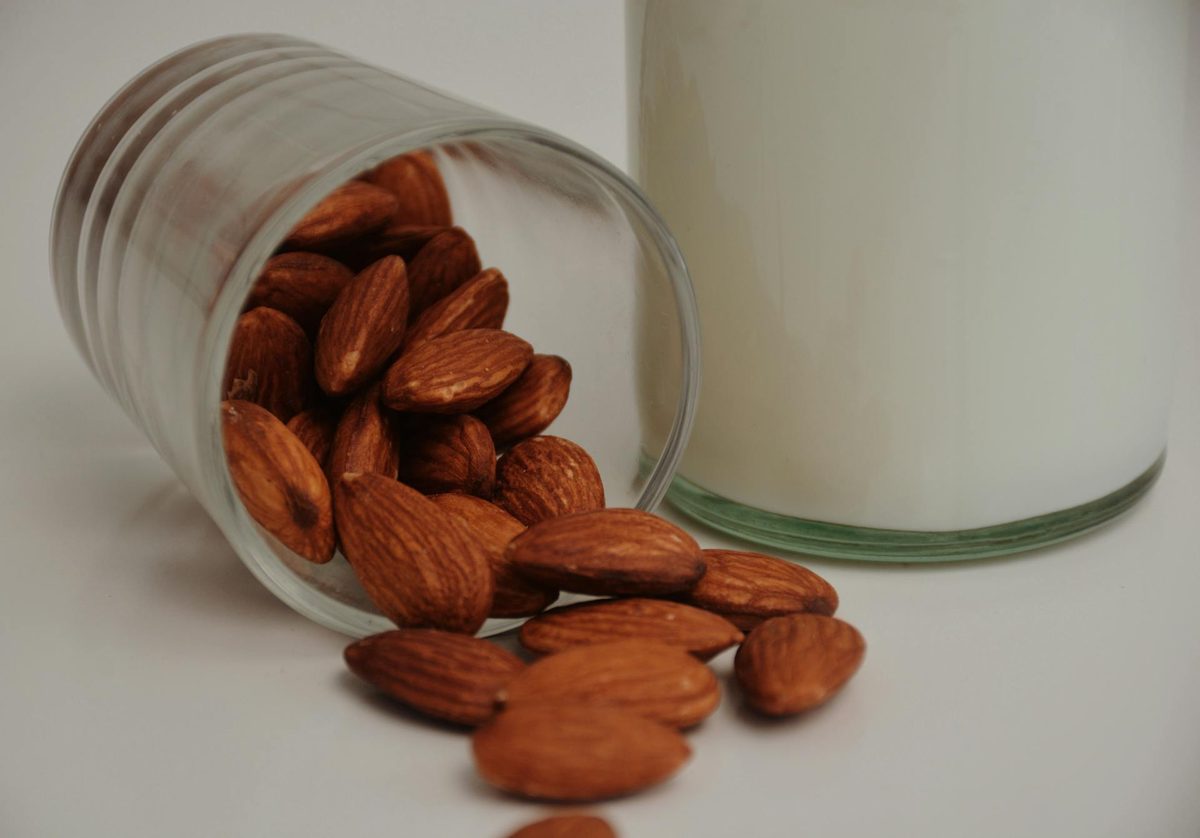
3. Almond Milk — ~1g protein per cup
Almond milk contains approximately 1g of protein per cup. While almonds themselves are a reasonable protein source, commercial almond milk is mostly water with a small percentage of almonds — typically 2% or less — so very little protein makes it through to the final product.
4. Coconut Milk (carton) — ~0g protein per cup
Carton coconut milk contains essentially no protein per cup. It is the worst plant milk option for protein and should not be chosen by anyone for whom protein intake is a concern.
Pea Protein Milk — An Emerging Option
Worth mentioning is pea protein milk — a newer category made from yellow split peas that provides around 8g of protein per cup, matching dairy milk. Brands like Ripple and Sproud produce pea protein milks that are both high protein and lower in calories than soy milk. If protein is your primary concern and soy milk is not suitable (due to soy allergies or preference), pea protein milk is the best alternative to consider.The Takeaway
If protein matters to your diet, soy milk is the only established plant-based milk alternative that provides a meaningful amount. All other mainstream plant milks are poor protein sources compared to dairy. If you are replacing dairy milk for protein reasons, soy milk is the logical choice — or supplement your protein through other food sources like meat, fish, eggs, legumes, or dairy products other than milk.Use our Daily Calorie Needs Calculator to find your daily protein target and our Food Tracker to log your intake.
References
- USDA FoodData Central — Reference database for nutrient content of foods
- Academy of Nutrition and Dietetics — The Truth About Non-Dairy Beverages — Professional dietitian guidance on plant milks
- American College of Sports Medicine — Protein Intake for Muscle Maintenance — Professional society protein recommendations
- Harvard T.H. Chan — Protein — Evidence-based protein overview