Here are nine foods worth keeping in regular rotation.
Broccoli
A cup of cooked broccoli contains around 100mg of vitamin C — more than an orange — alongside vitamin A, vitamin K, and a sulfur compound called sulforaphane that has been studied for its role in supporting immune cell function. Eat it lightly steamed rather than boiled; prolonged boiling leaches the water-soluble vitamins.
Eggs
Eggs are one of the few natural food sources of vitamin D, which plays a documented role in immune regulation. A large egg contains about 6g of complete protein and notable amounts of selenium and zinc — both immune-supporting minerals. The yolk holds most of the nutrients, so eat the whole egg unless your doctor has told you otherwise.
Chickpeas
A cup of cooked chickpeas provides around 15g of protein, 12g of fibre, and a substantial dose of zinc — a mineral the body needs for normal immune function and which research consistently shows many people consume in inadequate amounts. Plant proteins and fibre also support the gut microbiome, which is increasingly recognised as central to immune health.
Citrus Fruits
Oranges, grapefruits, lemons, and limes are the most familiar sources of vitamin C. A medium orange contains roughly 70mg, easily covering an adult’s daily requirement. Vitamin C does not prevent colds, despite the persistent folk belief, but adequate intake supports normal immune function and there is some evidence it may modestly reduce the duration of cold symptoms when consumed regularly before infection.
Sweet Potato
A medium baked sweet potato contains around 400% of the daily value for vitamin A in the form of beta-carotene. Vitamin A is essential for maintaining the integrity of the epithelial barriers (skin, lungs, gut) that form your immune system’s first line of defence against pathogens.
Garlic
Garlic contains allicin and related sulfur compounds that have been studied for antimicrobial and immune-modulating effects. The evidence for garlic preventing infection is mixed and the doses used in some studies are higher than typical culinary amounts, but it is a flavourful low-calorie addition to almost any savoury dish.
Spinach
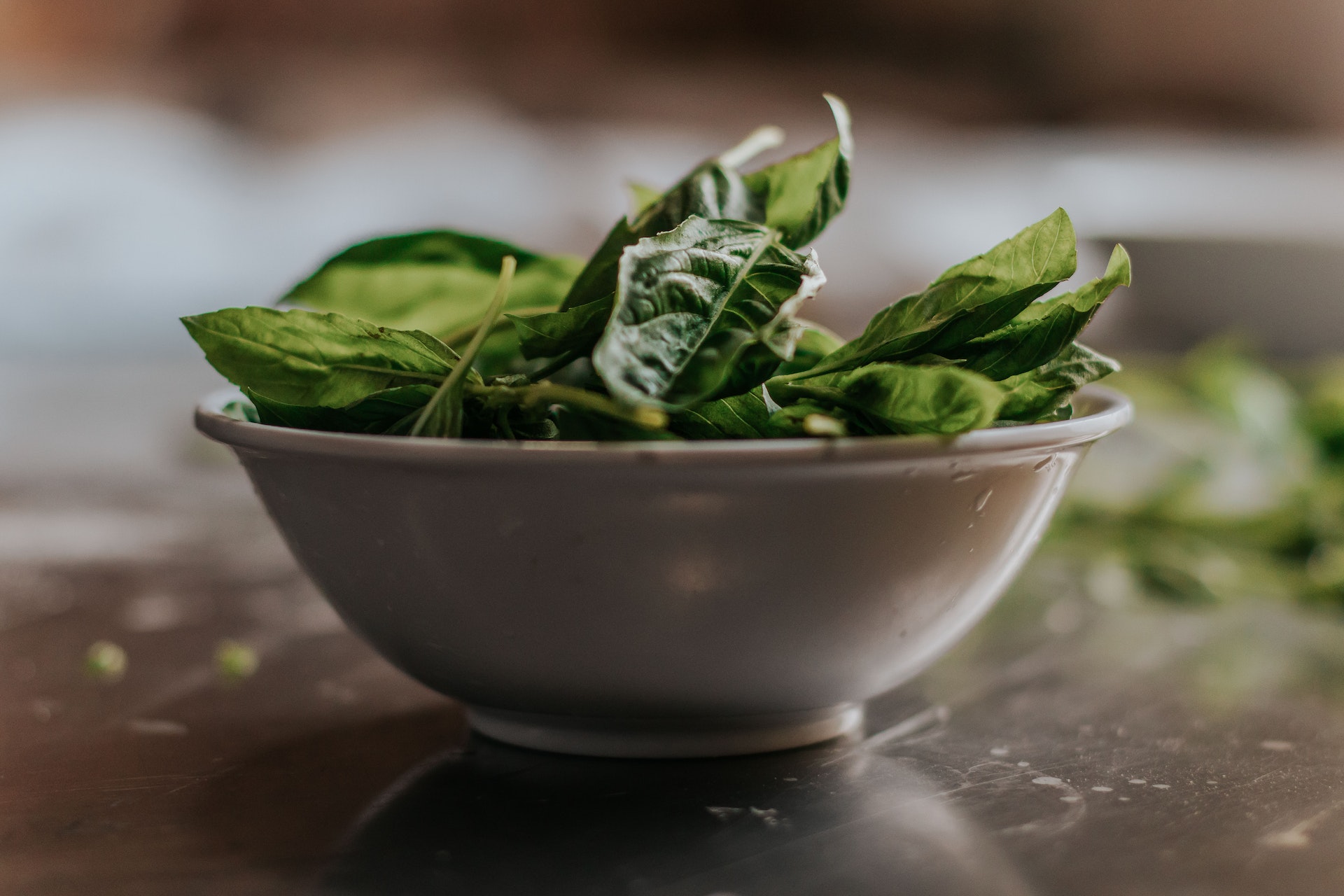
Spinach packs vitamin C, vitamin A (as beta-carotene), folate, and iron into a low-calorie leaf. Like broccoli, light cooking actually improves the bioavailability of some nutrients while preserving others — a quick wilt in olive oil is ideal.
Mushrooms
Mushrooms are one of the few non-animal sources of vitamin D, particularly when they have been exposed to UV light during growing (often noted on the package). They also contain beta-glucans — fibre compounds that have been studied for their effects on immune cell activity.
Sunflower Seeds
A quarter-cup of sunflower seeds provides around 50% of the daily value for vitamin E, an antioxidant that helps protect immune cells from oxidative damage. They are also a good source of zinc and selenium. Sprinkle them on salads, yoghurt, or oatmeal, or eat them as a snack.
What Else Matters
No single meal will rebuild your immune system. The pattern matters far more than any individual food. Adequate sleep, regular physical activity, managed stress, and not smoking remain the most important inputs into immune function. A diet rich in fruits, vegetables, whole grains, lean protein, and adequate hydration provides the raw materials. The nine foods above are good choices because they deliver immune-relevant nutrients in concentrated, food-form doses — but they work as part of a broader pattern, not as standalone fixes.
References
- NIH Office of Dietary Supplements — Vitamin C — Authoritative source on vitamin C and immune function
- NIH Office of Dietary Supplements — Vitamin D — Vitamin D and immune health
- NIH Office of Dietary Supplements — Zinc — Zinc and immune system function
- Harvard T.H. Chan School of Public Health — Nutrition and Immunity — Evidence-based overview of nutrition’s role in immune health
- NIH Office of Dietary Supplements — Vitamin A — Vitamin A and epithelial barrier function
- USDA FoodData Central — Reference database for nutrient content of foods