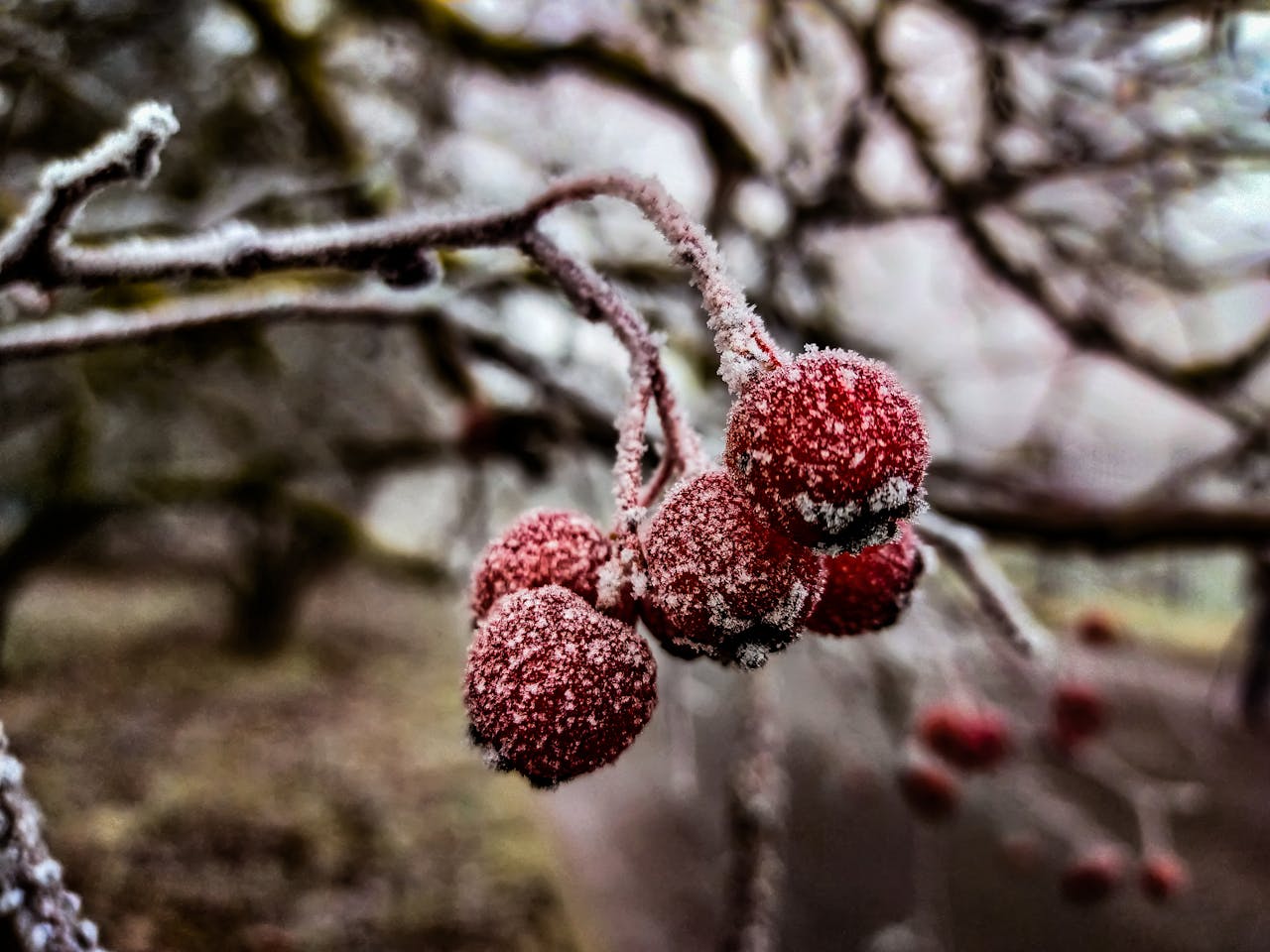
Winter is not the end of good fruit — it's citrus season, and some of the most nutritious fruits of the year peak in winter months. Here are the best winter fruits ranked by calories and nutritional value.
Winter Fruits Ranked by Calories (per 100g)
- 1. Clementine/Mandarin — 53 calories — Peak season November-January. Easy to peel, sweet, high in vitamin C.
- 2. Grapefruit — 42 calories — Peak season January-June. High in vitamin C, low GI. See nutrition
- 3. Kiwi — 61 calories — Peak season November-March in US supermarkets. Exceptionally high in vitamin C. See nutrition
- 4. Orange — 47 calories — Peak season December-April. A medium orange provides a full day's vitamin C. See nutrition
- 5. Pear — 57 calories — Available autumn through winter. High in fibre and pectin.
- 6. Apple — 52 calories — Stored from autumn harvest, available all winter. High in pectin fibre. See nutrition
- 7. Pomegranate — 83 calories — Peak season October-January. Exceptionally high in antioxidants (punicalagins).
- 8. Dragon fruit — 60 calories — Available in winter months, grown in tropical regions. See nutrition
- 9. Banana — 89 calories — Available year-round, imported. A reliable winter fruit source. See nutrition
- 10. Avocado — 160 calories — Available year-round. Winter is a good season for California Hass avocados. See nutrition
Why Winter Is Citrus Season
Oranges, grapefruits, clementines, and mandarins all peak in winter — and this is not a coincidence. Cold-climate growing conditions during winter months produce the optimal sugar-to-acid balance in citrus fruits. US citrus is largely grown in Florida and California, where the cool winter nights develop the best flavour and highest vitamin C content.
Pomegranate: Winter's Nutritional Standout
Pomegranate is one of the most antioxidant-rich foods in the entire human diet. Its punicalagins — unique antioxidants found only in pomegranate — have been shown to reduce inflammation, lower blood pressure, and have three times the antioxidant activity of red wine and green tea. A half cup of pomegranate seeds (arils) contains 83 calories and 3.5g of fibre.
Eating Seasonally in Winter
Seasonal winter fruit is fresher, more nutritious, and cheaper than out-of-season summer fruit flown in from the southern hemisphere. Building your winter fruit intake around citrus, kiwi, pears, and pomegranate gives you excellent nutritional variety at peak quality. Track your fruit intake year-round with our Food Tracker. See our complete guide to fruits ranked by calories.
References
- USDA FoodData Central — Reference database for nutrient content of foods
- Harvard T.H. Chan — Vegetables and Fruits — Evidence-based overview of fruits and vegetables
- Academy of Nutrition and Dietetics — Fruits — Professional dietitian guidance on fruit consumption
- CDC — Fruits and Vegetables — Federal guidance on fruit and vegetable consumption