← All Posts

Posts tagged fruits

10 posts found
Fruits Ranked by Calories: The Complete Guide

Fruits Ranked by Calories: The Complete Guide

This is the complete reference guide to fruit nutrition — covering calories, sugar, fibre, and the best fruits for specific dietary goals. Use the links below to jump to the section most relevant to your needs, or browse the full rankings below. Complete Fruit Calorie Rankings Here are the most common fruits ranked by calories per 100g, from lowest to highest: Watermelon — 30 cal See nutrition Strawberries — 32 cal See nutrition Cantaloupe — 34 cal See nutrition Peach — 39 cal See nutrition Grapefruit — 42 cal See nutrition Blackberries — 43 cal See nutrition Orange — 47 cal See nutrition Pineapple — 50 cal See nutrition Apple — 52 cal See nutrition Raspberries — 52 cal See nutrition Blueberries — 57 cal See nutrition Dragon fruit — 60 cal See nutrition Mango — 60 cal See nutrition Kiwi — 61 cal See nutrition Cherries — 63 cal See nutrition Grapes — 67 cal See nutrition Banana — 89 cal See nutrition Avocado — 160 cal See nutrition Core Rankings Lowest Calorie Fruits Ranked — watermelon, strawberries, and raspberries lead the list Highest Calorie Fruits Ranked — avocado, banana, and mango top the list Fruits Ranked by Sugar Content — avocado and berries are lowest; banana and grapes are highest Fruits Ranked by Fiber Content — raspberries, blackberries, and avocado lead Best Fruits for Weight Loss — berries, grapefruit, and apple are the top choices Fresh vs Other Formats Fresh vs Frozen Fruit — nutritionally similar, frozen wins for out-of-season fruit Dried vs Fresh Fruit — dried fruit has 4-8x more calories per gram Fruit Juice vs Whole Fruit — whole fruit wins on fibre, satiety, and blood sugar impact Smoothie vs Whole Fruit — smoothies can contain 300-600 calories; whole fruit is more filling Diet and Use Case Low Sugar Fruits for Diabetics — berries, avocado, and grapefruit are the best choices Keto Friendly Fruits Ranked — avocado, raspberries, and blackberries fit keto macros Best Fruits Before a Workout — banana, mango, and watermelon are top choices Best Fruits After a Workout — tart cherries, banana, and blueberries lead for recovery Seasonal and Exotic Tropical Fruits Ranked by Calories — from 30-cal papaya to 160-cal avocado Summer Fruits Ranked by Calories — watermelon, strawberries, peaches, and cherries Winter Fruits Ranked by Calories — citrus, kiwi, pomegranate, and pears Dragon Fruit vs Kiwi — kiwi wins on vitamin C; dragon fruit wins on iron Fruit Comparisons For detailed side-by-side nutrition comparisons see: Apple vs Banana Blueberries vs Strawberries Avocado vs Apple Blueberries vs Banana Using Our Fruit Nutrition Tools Track your daily fruit intake with our Food Tracker. Use our Calorie Deficit Calculator for weight loss targets, our Protein Intake Calculator for workout nutrition, and our Macro Calculator for keto and low-carb planning. References USDA FoodData Central — Reference database for nutrient content of foods Harvard T.H.
Read more →
Dragon Fruit vs Kiwi: Nutrition Compared

Dragon Fruit vs Kiwi: Nutrition Compared

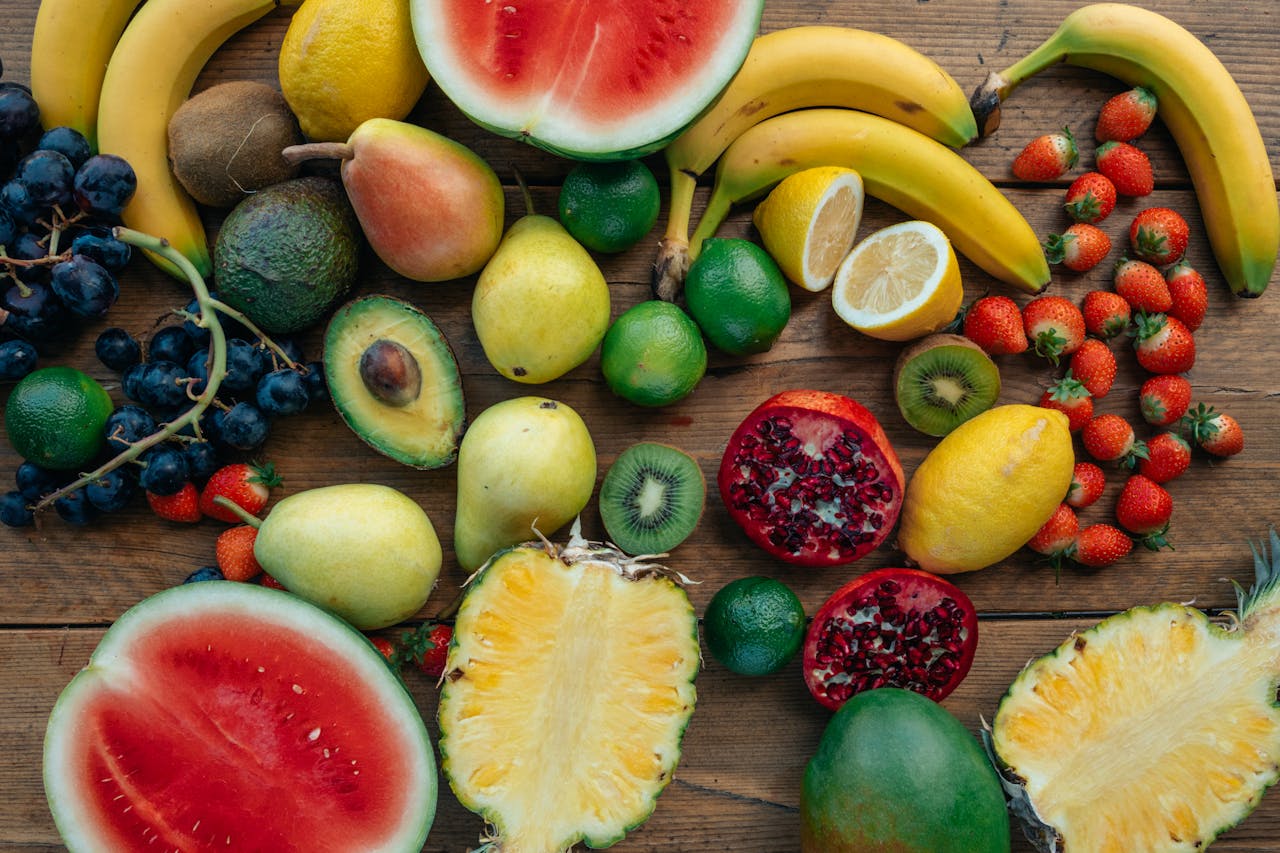
Dragon fruit and kiwi are two of the most visually striking and nutritionally impressive exotic fruits in mainstream supermarkets. Both are moderate in calories, exceptionally high in vitamin C, and provide unique nutritional benefits. Here's the complete comparison. Dragon Fruit vs Kiwi: Nutrition Comparison (per 100g) Calories: Dragon fruit 60 | Kiwi 61 — virtually identical Carbohydrates: Dragon fruit 13g | Kiwi 14.7g Sugar: Dragon fruit 8.7g | Kiwi 9g — similar Fibre: Dragon fruit 2.9g | Kiwi 3g — similar Protein: Dragon fruit 1.2g | Kiwi 1.1g — similar Vitamin C: Dragon fruit 20.5mg | Kiwi 92.7mg — kiwi has 4.5x more vitamin C Vitamin K: Dragon fruit 0 | Kiwi 40.3µg — kiwi is a significant vitamin K source Iron: Dragon fruit 1.9mg | Kiwi 0.3mg — dragon fruit has 6x more iron Magnesium: Dragon fruit 18mg | Kiwi 17mg — similar Potassium: Dragon fruit 272mg | Kiwi 312mg — kiwi slightly higher See dragon fruit full nutrition | See kiwi full nutrition Where Kiwi Wins Kiwi's standout advantage is its extraordinary vitamin C content — 92.7mg per 100g, which is more than an orange.
Read more →
Winter Fruits Ranked by Calories

Winter Fruits Ranked by Calories

Winter is not the end of good fruit — it's citrus season, and some of the most nutritious fruits of the year peak in winter months. Here are the best winter fruits ranked by calories and nutritional value. Winter Fruits Ranked by Calories (per 100g) 1. Clementine/Mandarin — 53 calories — Peak season November-January.
Read more →
Summer Fruits Ranked by Calories

Summer Fruits Ranked by Calories

Summer is peak season for some of the most delicious and nutritious fruits of the year. From juicy watermelons to fragrant peaches and fresh berries, summer fruits are generally lower in calories and higher in water content than year-round alternatives. Here are the most popular summer fruits ranked by calories. Summer Fruits Ranked by Calories (per 100g) 1.
Read more →
Tropical Fruits Ranked by Calories

Tropical Fruits Ranked by Calories

Tropical fruits are some of the most nutritious and flavourful fruits available — and they vary enormously in calorie content. Here are the most popular tropical fruits ranked by calories per 100g. Tropical Fruits Ranked by Calories (per 100g) 1. Fresh coconut meat — 354 calories — The most calorie-dense tropical fruit, high in saturated fat.
Read more →
Best Fruits to Eat After a Workout

Best Fruits to Eat After a Workout

Post-workout nutrition plays a critical role in recovery — replenishing glycogen stores, supporting muscle protein synthesis, and reducing inflammation. Fruit is an excellent post-workout food because it provides fast-digesting carbohydrates to replenish glycogen, alongside vitamins and antioxidants that support recovery. Best Post-Workout Fruits Ranked 1. Tart Cherries — Best for Recovery Tart cherries have the strongest evidence of any fruit for exercise recovery.
Read more →
Best Fruits to Eat Before a Workout

Best Fruits to Eat Before a Workout

Fruit is one of the best pre-workout foods available — it provides quick-digesting carbohydrates for energy, potassium for muscle function, and natural sugars for immediate fuel. The right fruit eaten 30-60 minutes before exercise can meaningfully improve performance. Here are the best fruits to eat before a workout. Best Pre-Workout Fruits Ranked 1.
Read more →
Keto Friendly Fruits Ranked by Carbs

Keto Friendly Fruits Ranked by Carbs

The ketogenic diet restricts carbohydrate intake to 20-50g per day. Most fruits are too high in carbohydrates to fit within these limits — but a small selection of fruits can be enjoyed in moderation on keto. Here are the best keto-friendly fruits ranked by net carbs (total carbs minus fibre). Keto Friendly Fruits Ranked by Net Carbs (per 100g) Net carbs = total carbohydrates minus dietary fibre 1.
Read more →
Low Sugar Fruits for Diabetics

Low Sugar Fruits for Diabetics

Diabetes management often leads people to avoid fruit entirely — but this is unnecessarily restrictive. Most fruits can be part of a diabetic diet when chosen carefully and eaten in appropriate portions. Here are the best low-sugar fruits for diabetics, ranked by sugar content and glycaemic impact. Best Low Sugar Fruits for Diabetics 1.
Read more →
Smoothie vs Whole Fruit: Calories and Nutrition Compared

Smoothie vs Whole Fruit: Calories and Nutrition Compared

Smoothies are widely marketed as a health food, but a poorly constructed smoothie can easily contain 400-600 calories — more than a fast food burger. Here's how smoothies compare to eating whole fruit, and how to build a smoothie that's genuinely healthy. Smoothie vs Whole Fruit: Calorie Comparison Typical Fruit Smoothie (banana + mango + orange juice) 1 banana (105 calories) See banana nutrition 1 cup mango chunks (99 calories) See mango nutrition 1 cup orange juice (112 calories) Total: ~316 calories Eating Those Fruits Whole 1 banana: 105 calories 1 cup mango chunks: 99 calories 1 medium orange: 62 calories See orange nutrition Total: ~266 calories — but far more filling Why Smoothies Are Less Filling Than Whole Fruit Blending breaks down the cell walls of fruit, releasing sugars and making them more rapidly absorbed. It also removes the mechanical effort of chewing, which contributes to satiety signalling.
Read more →