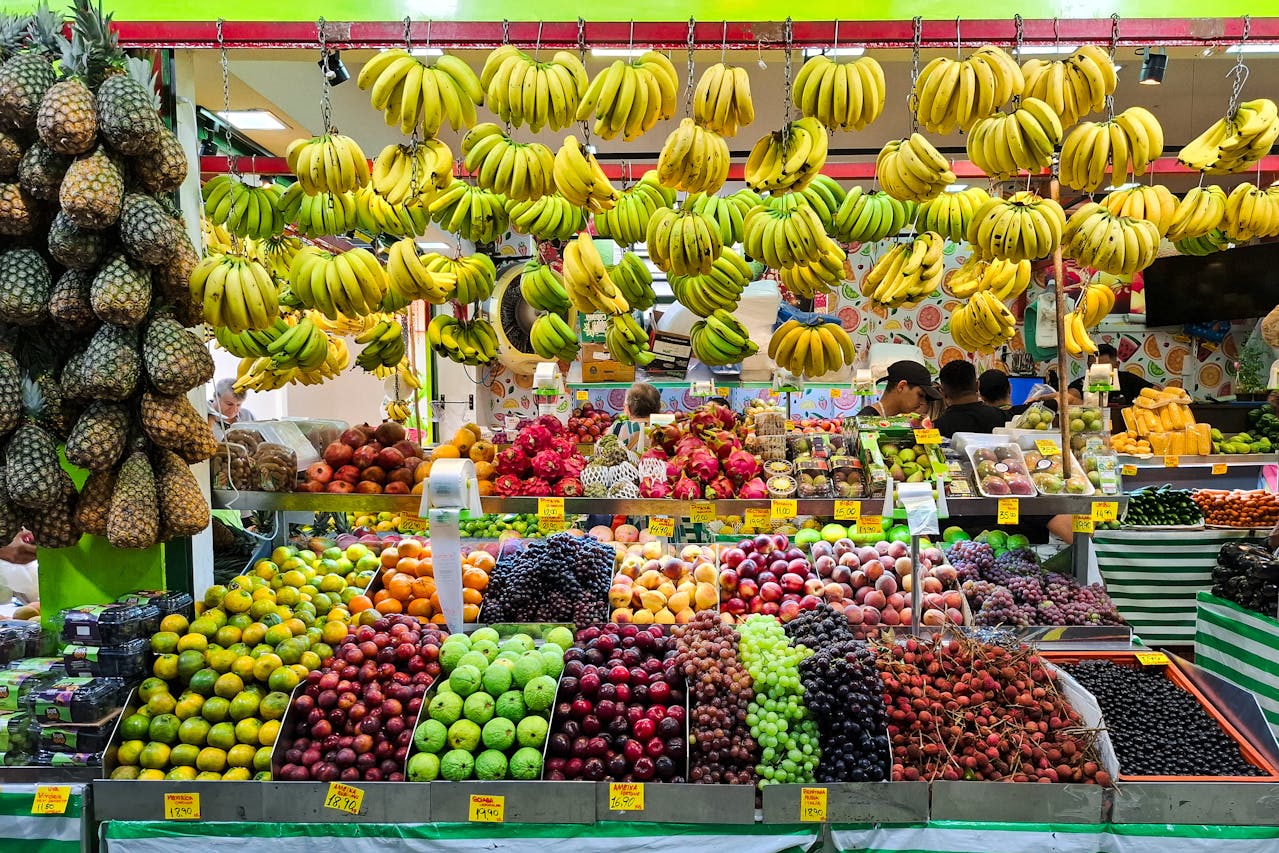
Post-workout nutrition plays a critical role in recovery — replenishing glycogen stores, supporting muscle protein synthesis, and reducing inflammation. Fruit is an excellent post-workout food because it provides fast-digesting carbohydrates to replenish glycogen, alongside vitamins and antioxidants that support recovery.
Best Post-Workout Fruits Ranked
1. Tart Cherries — Best for Recovery
Tart cherries have the strongest evidence of any fruit for exercise recovery. Multiple studies have shown tart cherry juice significantly reduces muscle soreness and inflammation following intense exercise. The anthocyanins in tart cherries inhibit the same inflammatory pathways as ibuprofen. A 240ml glass of tart cherry juice within 30 minutes post-workout is a practical recovery strategy. See cherry nutrition
2. Banana
Banana's combination of glucose and fructose replenishes both liver and muscle glycogen — important for recovery from endurance exercise. Its potassium content also helps restore electrolyte balance lost through sweat. Paired with a protein source like Greek yogurt, it makes an ideal post-workout snack. See banana nutrition
3. Blueberries
Blueberries are among the most antioxidant-rich foods available and have been specifically studied for exercise recovery. Research shows blueberry consumption before and after exercise reduces muscle damage markers and accelerates recovery of muscle function. A cup of blueberries post-workout provides meaningful antioxidant support. See blueberry nutrition | Blueberries vs Strawberries
4. Kiwi
Kiwi is exceptionally high in vitamin C — two kiwis provide approximately 140mg, well above the daily recommended intake. Vitamin C is essential for collagen synthesis which repairs connective tissue damaged during exercise. Kiwi also contains actinidin which improves protein digestion, supporting muscle repair. See kiwi nutrition
5. Pineapple
Pineapple's bromelain content has anti-inflammatory and proteolytic (protein-digesting) properties that may reduce post-exercise muscle soreness and improve protein utilisation. It's also a good source of manganese and vitamin C for recovery. See pineapple nutrition
6. Watermelon
Watermelon's L-citrulline content may reduce post-exercise muscle soreness. Its high water content also supports rehydration, and it provides fast-digesting carbohydrates to begin glycogen replenishment. See watermelon nutrition
Building the Ideal Post-Workout Meal with Fruit
The optimal post-workout meal combines carbohydrates (from fruit) with protein for muscle repair — aim for a 3:1 or 4:1 carbohydrate-to-protein ratio within 30-60 minutes after exercise. Examples:
- Greek yogurt + blueberries + banana
- Protein shake with frozen cherries and pineapple
- Cottage cheese with sliced kiwi and strawberries
Track your post-workout nutrition with our Food Tracker and use our Protein Intake Calculator to ensure adequate protein for muscle recovery. See our complete guide to fruits ranked by calories.
References
- Academy of Nutrition and Dietetics — Timing Your Pre- and Post-Workout Nutrition — Professional dietitian guidance on workout timing
- American College of Sports Medicine — Nutrition for Exercise — Professional society guidance on exercise nutrition
- USDA FoodData Central — Reference database for nutrient content of foods
- Harvard T.H. Chan — Vegetables and Fruits — Evidence-based overview of fruits and vegetables