The good news is that magnesium is found in a wide range of foods, so with a bit of intention it's not hard to get more of it. Here's a look at the best sources and why they're worth adding to your plate.
Pumpkin Seeds
If there's one food that punches above its weight for magnesium, it's pumpkin seeds. A one-ounce serving delivers around 150mg of magnesium — that's close to 40% of the daily recommended intake in a small handful. They're also a solid source of zinc, protein, and healthy fats, making them one of the most nutrient-dense snacks you can reach for. Sprinkle them on salads, stir them into oatmeal, or just eat them straight out of the bag. See the full nutrition breakdown for pumpkin seeds here.
Dark Chocolate
Good news for chocolate lovers — dark chocolate is genuinely one of the better dietary sources of magnesium. A 1-ounce serving of 70–85% dark chocolate contains around 64mg of magnesium, along with iron, manganese, and a meaningful dose of antioxidants. The key is going for the high-cocoa varieties rather than milk chocolate, which has far less of the good stuff. A couple of squares after dinner isn't just a treat — it's actually doing something useful nutritionally. Check out the nutrition facts for dark chocolate here.
Spinach
Dark leafy greens are one of the best plant-based sources of magnesium, and spinach leads the pack. A cup of cooked spinach provides around 157mg of magnesium — an impressive amount for such a low-calorie food. It's also rich in iron, folate, and vitamin K, which makes it one of the most nutritionally efficient vegetables you can eat. Whether you're adding it to a smoothie, wilting it into pasta, or building a salad, spinach is an easy win. See full nutrition info for spinach here.
Almonds
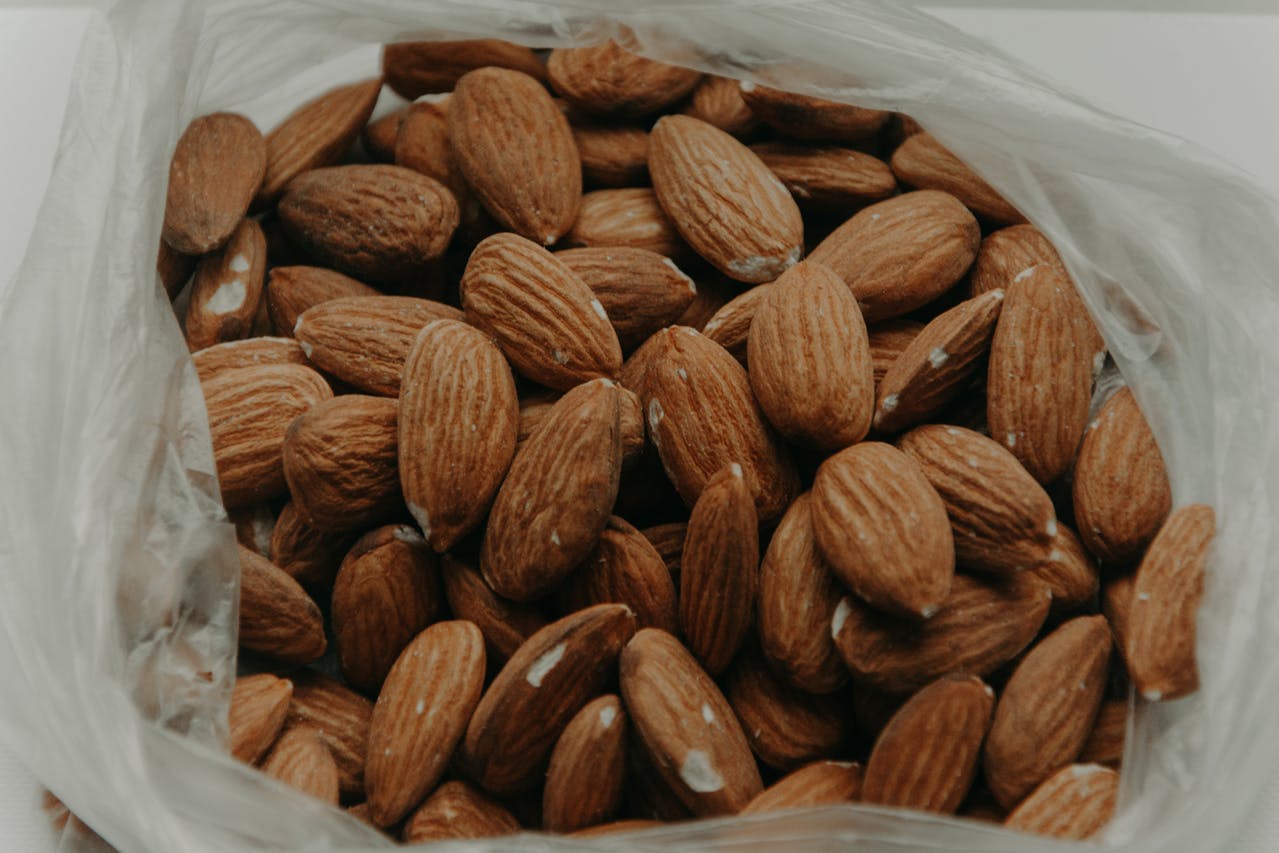
Almonds are one of the most magnesium-rich nuts available, with a one-ounce serving providing around 76mg. They're also a great source of vitamin E, healthy monounsaturated fats, and fibre, making them a filling and nutritious snack option. A small handful before or between meals can make a genuine dent in your daily magnesium needs. Almonds' full nutrition facts are here.
Black Beans
Legumes are a consistently underrated source of magnesium, and black beans are one of the best. A half-cup serving provides around 60mg of magnesium alongside a hefty dose of fibre, plant-based protein, and iron. They're versatile, inexpensive, and filling — a staple worth keeping in your pantry. Add them to soups, grain bowls, tacos, or just as a side dish. Full nutrition details for black beans are here.
Avocado
Avocado brings more to the table than just healthy fats. A medium avocado contains around 58mg of magnesium, along with potassium, fibre, and vitamins C, K, and B6. It's one of the more calorie-dense options on this list, but the nutritional payoff is well worth it for most people. Spread it on toast, slice it into a salad, or blend it into a smoothie for a creamy magnesium boost. Check out the full nutrition profile for avocado here.
Edamame
Edamame — young soybeans still in the pod — is another excellent plant-based source of magnesium. A cup of cooked edamame contains around 99mg of magnesium, plus a generous amount of complete plant protein, fibre, and folate. It's one of the few plant foods that provides all nine essential amino acids, which makes it a particularly valuable food for anyone eating a mostly plant-based diet. Find out more about edamame's nutritional profile here.
Quinoa
Quinoa is worth keeping in your rotation not just for its protein content, but also for its magnesium. A cup of cooked quinoa provides around 118mg of magnesium, making it one of the richer grain sources available. It's also a complete protein and gluten-free, which makes it a particularly useful staple for people with dietary restrictions. Swap it in for rice or pasta a few times a week and your magnesium intake will thank you. See the full breakdown for quinoa here.
Salmon
Fish isn't the first thing most people think of for magnesium, but fatty fish like salmon is a meaningful source. A 3-ounce serving provides around 26mg of magnesium alongside its more celebrated contributions of omega-3 fatty acids, vitamin D, and high-quality protein. Including salmon a couple of times per week covers multiple nutritional bases at once. Full nutrition details for salmon are here.
How Much Magnesium Do You Need?
The recommended daily intake for magnesium is around 310–320mg for adult women and 400–420mg for adult men. Requirements are higher during pregnancy. Most people can comfortably meet these needs through food alone without supplementation, as long as they're regularly eating from the list above.
Signs of low magnesium can include muscle cramps, fatigue, poor sleep, and headaches — though these symptoms have many possible causes, so it's worth speaking to a doctor if you're concerned rather than self-diagnosing.
For more on nutrients that work alongside magnesium, check out our posts on calcium-rich foods and zinc-rich foods. And use our Food Tracker to keep an eye on your daily nutrient intake. For a complete overview of all essential nutrients in one place, see our Complete Guide to Essential Nutrients.
References
- NIH Office of Dietary Supplements — Magnesium — Authoritative reference on magnesium
- Harvard T.H. Chan — Magnesium — Evidence-based overview
- Mayo Clinic — Magnesium — Clinical guidance on magnesium
- American Heart Association — Blood Pressure Management — Cardiovascular context for magnesium
- USDA FoodData Central — Reference database for nutrient content of foods