Potassium is essential for maintaining healthy blood pressure, supporting proper muscle and nerve function, and helping your kidneys filter waste. A consistently low intake has been linked to increased risk of hypertension, stroke, and kidney stones. The good news is that potassium is abundant in whole foods, particularly fruits, vegetables, and legumes.
Bananas
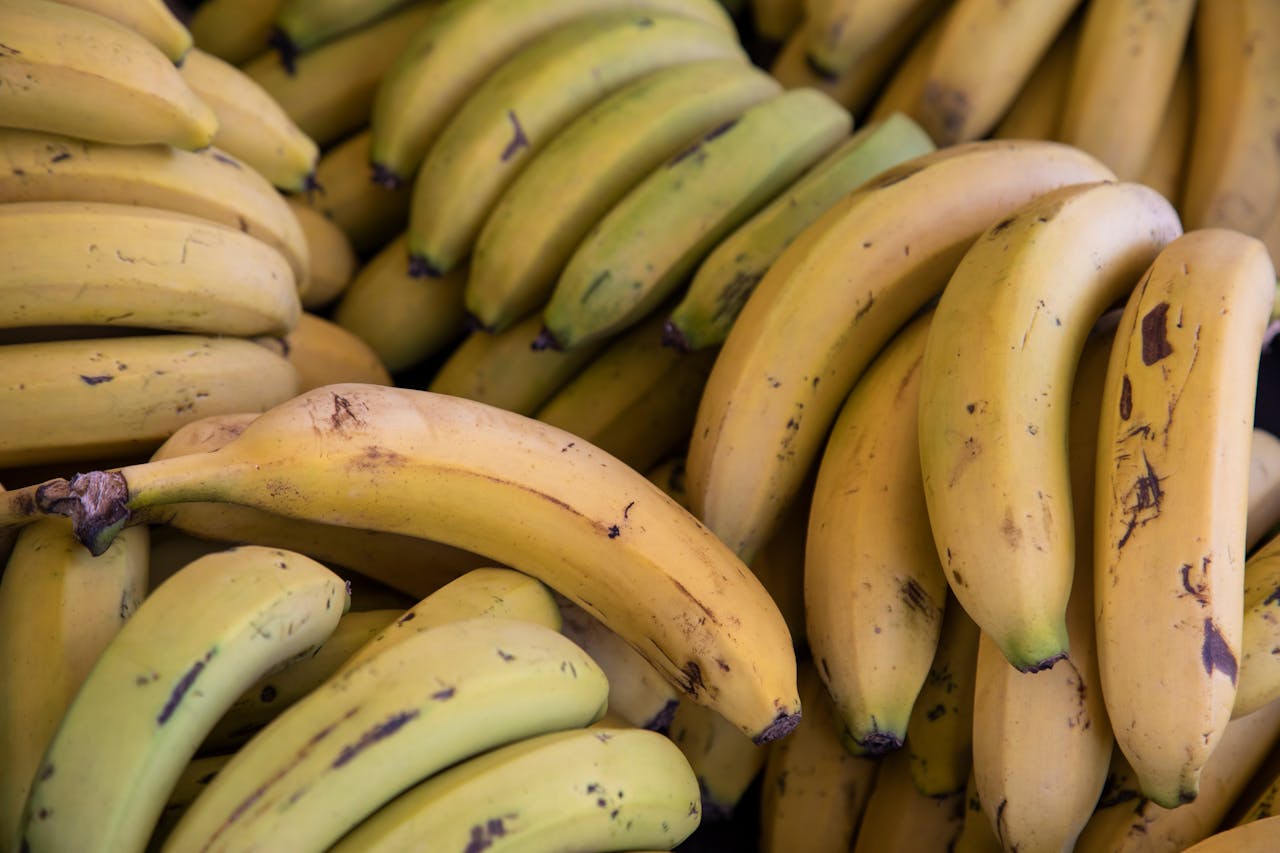
Bananas are probably the most famous potassium food, and the reputation is deserved. A medium banana provides around 422mg of potassium alongside natural sugars, fibre, and vitamin B6. They're portable, affordable, and genuinely one of the easiest ways to bump up your potassium intake. Eat them as a snack, blend them into smoothies, or slice them over oatmeal for a quick nutritional upgrade. See the full nutrition breakdown for bananas here.
Sweet Potato
Sweet potato is one of the richest potassium sources in the vegetable kingdom. A medium baked sweet potato contains around 542mg of potassium — more than a banana — along with vitamin A, vitamin C, fibre, and manganese. It's a genuinely impressive food from a nutritional standpoint, and it tastes great whether you're baking it whole, roasting it in cubes, or turning it into soup. Check out the full nutrition facts for sweet potato here.
Avocado
Avocado is one of those foods that keeps delivering no matter what nutrient you're looking at. A medium avocado contains around 690mg of potassium — well ahead of a banana — making it one of the better everyday sources available. On top of the potassium, you're getting healthy monounsaturated fats, fibre, and a range of vitamins and minerals. It's worth eating regularly for more reasons than most people realise. See the full nutrition profile for avocado here.
Spinach
Cooked spinach is a potassium powerhouse. A cup of cooked spinach provides around 839mg of potassium — a substantial contribution toward the daily target in a single serving. It's also rich in iron, magnesium, folate, and vitamin K, which makes it one of the most nutritionally dense vegetables you can eat. The potassium content in spinach is one more reason to find excuses to add it to your meals. Full nutrition details for spinach are here.
Salmon
Fatty fish like salmon is a solid animal-based source of potassium that often gets overlooked. A 3-ounce serving of salmon provides around 414mg of potassium, alongside its well-known benefits of omega-3 fatty acids, high-quality protein, and vitamin D. Including salmon twice a week contributes meaningfully to potassium intake while covering several other nutritional bases at the same time. See the full breakdown for salmon here.
Lentils
Lentils are one of the most potassium-rich legumes available, with a cooked cup providing around 731mg. They're also high in plant protein, fibre, folate, and iron, making them one of the most nutritionally complete plant foods you can eat. They're cheap, versatile, and cook relatively quickly compared to other legumes. Add them to soups, curries, grain bowls, or use them as a meat substitute in sauces and patties. Find the full nutrition info for lentils here.
Edamame
A cup of cooked edamame delivers around 676mg of potassium along with complete plant protein, fibre, and folate. It's one of the more overlooked potassium sources, partly because it's often thought of mainly as a protein food. But the combination of potassium, protein, and fibre in edamame makes it an unusually well-rounded snack or side dish. See the nutrition breakdown for edamame here.
Broccoli
Broccoli is another vegetable that earns its place on this list. A cup of cooked broccoli provides around 457mg of potassium alongside vitamin C, vitamin K, fibre, and sulforaphane — a compound that has attracted significant research interest for its potential health benefits. It's one of the most well-rounded vegetables you can eat, and its potassium content is just one more reason to include it regularly. Full nutrition details for broccoli are here.
Quinoa
Quinoa contributes a useful amount of potassium — around 318mg per cooked cup — alongside its better-known benefits of complete protein and fibre. As a grain substitute it's one of the better options for potassium, outperforming white rice and most other staple grains. See the full breakdown for quinoa here.
Tips for Getting More Potassium
The best way to increase potassium intake is simply to eat more whole plant foods — vegetables, fruits, and legumes in particular. Processing and cooking can reduce potassium content in some foods, so eating vegetables with minimal processing where possible helps retain more of the nutrient.
It's also worth knowing that potassium and sodium work in opposition in the body — higher sodium intake increases potassium excretion. So reducing processed food intake (which is high in sodium) while increasing whole food intake serves double duty for cardiovascular health.
For more on related nutrients, check out our posts on vitamin D-rich foods and calcium-rich foods. Use our Food Tracker to log your meals and keep tabs on your daily potassium intake. For a complete overview of all essential nutrients in one place, see our Complete Guide to Essential Nutrients.
References
- NIH Office of Dietary Supplements — Potassium — Authoritative reference on potassium
- Harvard T.H. Chan — Potassium — Evidence-based overview
- American Heart Association — Potassium — Cardiovascular health perspective
- CDC — Potassium — Federal guidance on potassium intake
- NIH — DASH Eating Plan — Evidence-based eating pattern emphasising potassium
- USDA FoodData Central — Reference database for nutrient content of foods