The recommended daily intake is 2.4 micrograms (mcg) for adults, which sounds modest, but the unique challenge with B12 is that it's found almost exclusively in animal-derived foods. People following vegan or vegetarian diets are at significantly higher risk of deficiency and typically need to supplement or rely on fortified foods.
Sardines
Sardines are one of the richest B12 sources available, with a 3-ounce serving providing around 8.2mcg — well over three times the daily recommended intake. They're also packed with omega-3 fatty acids, calcium (especially when eaten with bones), and vitamin D. Sardines are one of those foods that tick an unusual number of nutritional boxes simultaneously, and they're significantly more affordable than many other fish. See the full nutrition breakdown for sardines here.
Salmon
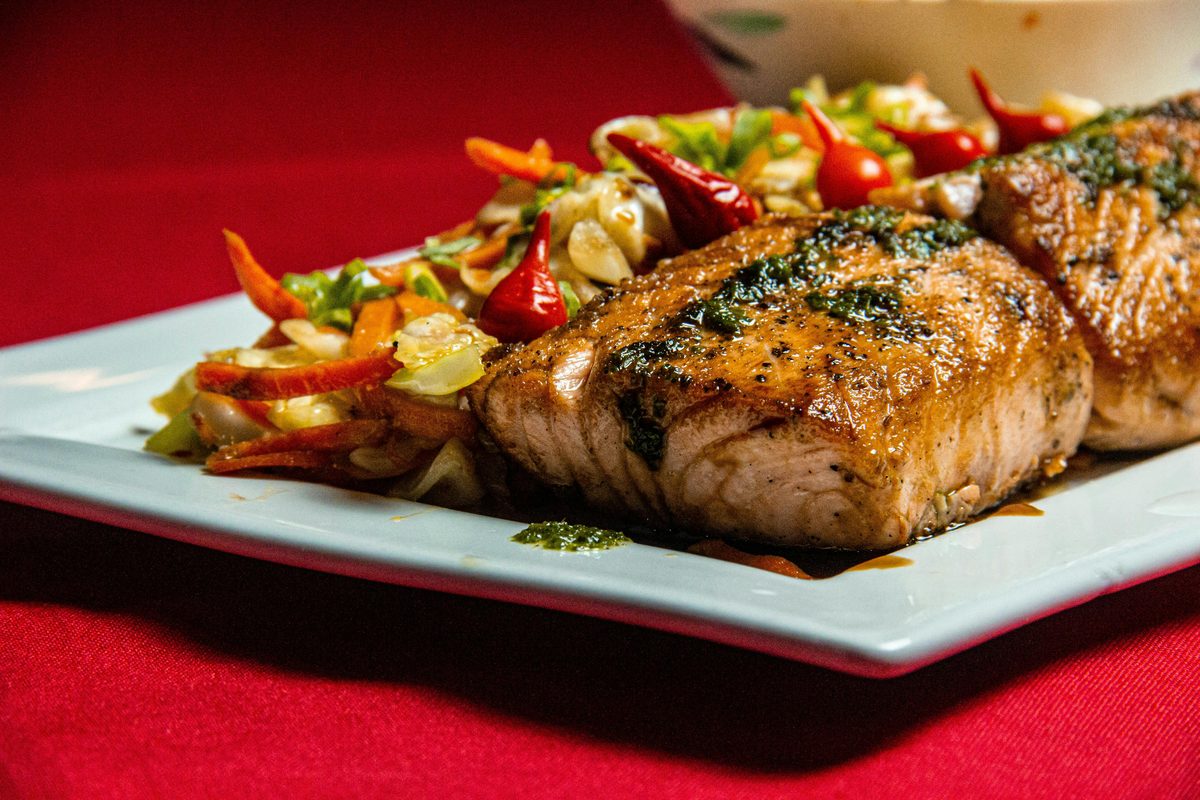
Salmon is another excellent source of vitamin B12, with a 3-ounce cooked serving providing around 4.9mcg. Combined with its omega-3 content, high-quality protein, and vitamin D, salmon is one of the most nutritionally complete foods available. Including it twice per week easily covers B12 needs while addressing several other nutritional targets at once. Full nutrition details for salmon here.
Tuna
Tuna is a convenient and affordable B12 source. A 3-ounce serving of canned tuna provides around 2.5mcg of B12 — just above the daily requirement in a single serving. Tinned tuna is one of the most practical ways to get regular B12 into your diet, especially for people who don't cook fish from scratch regularly. Full nutrition details for tuna here.
Mackerel
Mackerel deserves more attention than it gets. A 3-ounce serving provides around 16mcg of B12 — making it one of the highest food sources of B12 available, gram for gram. It's also rich in omega-3 fatty acids, selenium, and vitamin D. If you're not eating mackerel regularly, it's worth adding to your rotation. See the full profile for mackerel here.
Eggs
Eggs are one of the more accessible B12 sources for people who eat animal products but don't eat much meat or fish. Two large eggs provide around 1.3mcg of B12 — just over half the daily requirement — concentrated mostly in the yolk. They're also a good source of choline, vitamin D, and selenium. Eating the whole egg rather than just whites is important for B12 intake. Full nutrition breakdown for eggs here.
Greek Yogurt
Dairy products are a solid B12 source for people who include them in their diet. Greek yogurt in particular is worth highlighting — a cup provides around 1.3mcg of B12 alongside protein, calcium, and probiotics. It's a versatile food that works as breakfast, a snack, or a base for sauces and dressings. Full nutrition details for Greek yogurt here.
What About Plant-Based Eaters?
This is where B12 gets tricky. With the exception of small amounts in some fermented foods and certain algae, B12 is not reliably available from plant sources. Nutritional yeast fortified with B12 is a popular option among vegans, as are fortified plant milks and cereals. However, supplementation is generally recommended for anyone following a fully plant-based diet — this is one nutrient where food sources alone may not be sufficient without animal products.
If you're concerned about your B12 intake, a blood test through your GP is the most reliable way to assess your levels. B12 deficiency is easy to correct when caught early.
For more on nutrients that support energy and nerve function, read our posts on vitamin D-rich foods and omega-3 rich foods. Use our Food Tracker to monitor your daily nutrient intake. For a complete overview of all essential nutrients in one place, see our Complete Guide to Essential Nutrients.
References
- NIH Office of Dietary Supplements — Vitamin B12 — Authoritative reference on B12
- Harvard T.H. Chan — Vitamin B12 — Evidence-based overview
- Mayo Clinic — Vitamin B12 — Clinical guidance
- USDA FoodData Central — Reference database for nutrient content of foods