The recommended daily intake is 400mcg of dietary folate equivalents (DFE) for most adults, rising to 600mcg for pregnant women. Folate is found abundantly in plant foods, particularly leafy greens and legumes, making it one of the more accessible nutrients to obtain through a balanced diet.
Lentils
Lentils are one of the richest dietary sources of folate available. A cup of cooked lentils provides around 358mcg of folate — nearly the full daily recommended intake in a single serving. They're also packed with plant protein, fibre, iron, and magnesium, making them one of the most nutritionally complete plant foods you can eat. Add them to soups, curries, grain bowls, or use them as a meat substitute in pasta sauces and burger patties. Full nutrition breakdown for lentils here.
Spinach
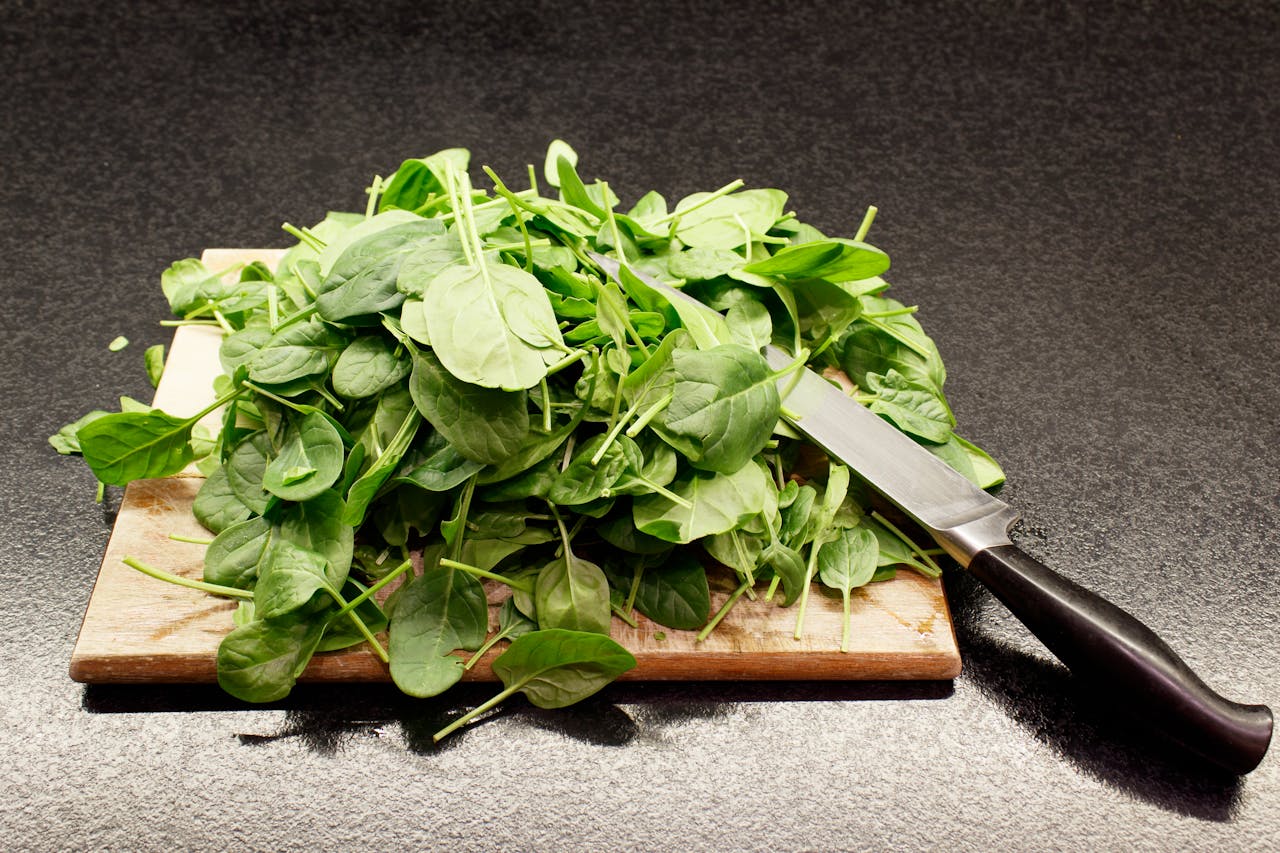
Dark leafy greens are among the best plant-based folate sources, and spinach leads the group. A cup of cooked spinach provides around 263mcg of folate — over half the daily recommended intake. Raw spinach contains around 58mcg per cup, so cooking concentrates the folate content significantly. Alongside folate, spinach delivers iron, magnesium, vitamin K, and vitamin C. Full nutrition details for spinach here.
Black Beans
Black beans are another excellent legume source of folate, with a half-cup cooked serving providing around 128mcg. They're also rich in fibre, plant protein, and iron. Legumes as a food group are consistently among the best plant-based folate sources, and regular consumption is associated with better cardiovascular health and reduced cancer risk. Full details for black beans here.
Chickpeas
Chickpeas are another legume that deserves a regular spot in your diet for folate. A cup of cooked chickpeas provides around 282mcg of folate alongside protein, fibre, manganese, and iron. Whether you're making hummus, adding them to salads, roasting them as a snack, or throwing them into a curry, chickpeas are a versatile and nutritious folate source. See the nutrition profile for chickpeas here.
Edamame
Edamame is a standout folate source among snack foods, with a cup of cooked edamame providing around 482mcg — well over the daily recommended intake. Combined with its complete plant protein and potassium content, edamame is an unusually nutrient-dense food for something that works equally well as a snack or a side dish. Full nutrition details for edamame here.
Broccoli
Broccoli contributes a useful amount of folate — around 84mcg per cup of cooked broccoli — as part of its overall impressive nutritional profile. Given that it's also rich in vitamin C, vitamin K, and sulforaphane, broccoli is one of the vegetables most worth eating regularly across the board. Full nutrition breakdown for broccoli here.
Avocado
Avocado is a surprisingly good source of folate, with half a medium avocado providing around 59mcg. Given that most people eat a whole avocado at a time, the contribution is meaningful. It's one of the more folate-rich fruits available, and its healthy fat content may actually help with the absorption of other fat-soluble nutrients consumed in the same meal. Full profile for avocado here.
Eggs
Eggs contribute folate primarily through the yolk — around 24mcg per large egg. While not the highest source on this list, eggs are a consistent everyday contributor to folate intake for people who eat them regularly. The yolk also contains choline, which works alongside folate in supporting healthy cell division and fetal brain development. Full nutrition facts for eggs here.
Quinoa
Quinoa provides a useful amount of folate — around 78mcg per cooked cup — alongside its complete protein, magnesium, and fibre content. As grain alternatives go, it's one of the better folate contributors and works well as a base for bowls and salads alongside other folate-rich ingredients like spinach, chickpeas, and avocado. Full breakdown for quinoa here.
Folate vs Folic Acid: What's the Difference?
Folate refers to the naturally occurring form found in food, while folic acid is the synthetic form used in supplements and food fortification. Folic acid is generally more bioavailable than food folate, which is why it's used in prenatal supplements. For most people eating a varied diet, food folate is sufficient. However, pregnant women or those planning to conceive are typically advised to take a folic acid supplement in addition to dietary folate.
For more on nutrients that work alongside folate, read our posts on iron-rich foods and fibre-rich foods. Use our Food Tracker to monitor your daily nutrient intake. For a complete overview of all essential nutrients in one place, see our Complete Guide to Essential Nutrients.
References
- NIH Office of Dietary Supplements — Folate — Authoritative reference on folate
- Harvard T.H. Chan — Folate (Folic Acid) — Evidence-based overview
- CDC — Folic Acid — Federal guidance, especially for pregnancy
- Mayo Clinic — Folate (folic acid) — Clinical guidance
- USDA FoodData Central — Reference database for nutrient content of foods