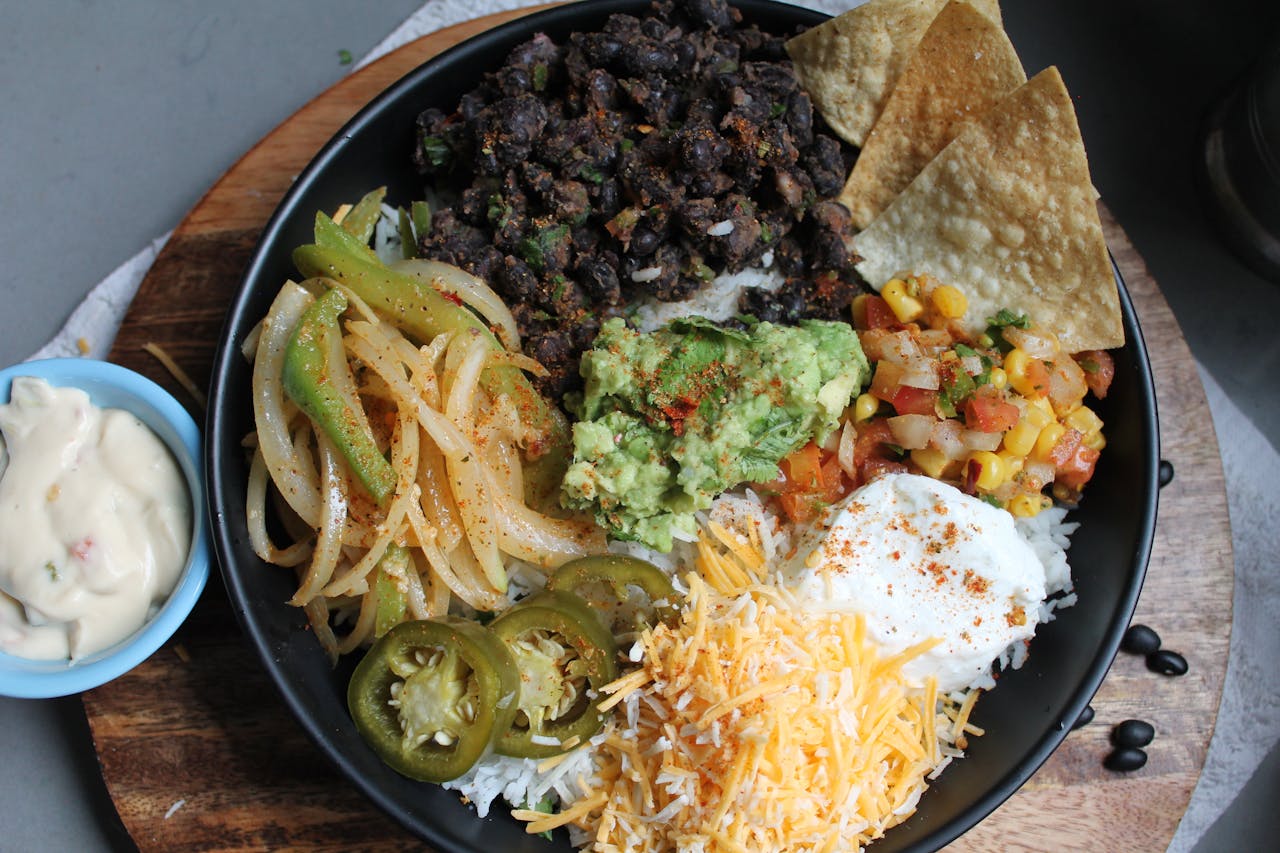
🧪 Nutrition Facts
- Calories 25.0
- Total Fat 0.5 g
- Saturated Fat 0.0 g
- Cholesterol 0.0 mg
- Sodium 0.0 mg
- Potassium 0.0 mg
- Total Carbohydrate 5.0 g
- Dietary Fiber 1.0 g
- Sugars 0.0 g
- Protein 1.0 g
- Vitamin A 0.0 IU
- Vitamin B-12 0.0 µg
- Vitamin B-6 0.0 mg
- Vitamin C 2.4 mg
- Vitamin D 0.0 IU
- Vitamin E 0.0 mg
- Calcium 20.0 mg
- Copper 0.0 mg
- Folate 0.0 µg
- Iron 2.7 mg
- Magnesium 0.0 mg
- Manganese 0.0 mg
- Niacin 0.0 mg
- Pantothenic Acid 0.0 mg
- Phosphorus 0.0 mg
- Riboflavin 0.0 mg
- Thiamin 0.0 mg
- Zinc 0.0 mg
Note: Nutrition information comes from the USDA Food Central Database. Daily values are based on a 2,000 calorie per day diet (FDA). Actual requirements vary by individual. Use at your own risk.
📋 Nutrition Summary
Turmeric Powder is a very low-calorie food at 25.0 calories per serving (1 Serving (7.0g)), making it a smart choice for calorie-conscious diets. Carbohydrates are the primary energy source at 5.0g per serving (70.2% of calories). It contains 2.7mg of iron (15% DV), which plays a key role in oxygen transport and energy metabolism.
🏷️ Diet & Nutrition Tags
Tags are generated automatically from USDA nutrition data using standard dietary thresholds. They are for general guidance only and are not medical advice.
📝 Ingredients
Organic Turmeric Powder
🔬 Ingredient Analysis
No artificial preservatives, sweeteners, colours, emulsifiers, flavour enhancers, or synthetic fortification agents were detected in the ingredient list for Turmeric Powder. This does not guarantee the food is unprocessed or free from all additives — always read the full ingredient label.
🤖 AI Nutrition Coach
AI POWEREDAsk anything about Turmeric Powder — how it fits your diet, what to pair it with, or how it compares nutritionally.
📊 % Daily Value
The following shows how one serving of Turmeric Powder contributes to the recommended daily intake for key nutrients, based on a 2,000 calorie diet.
| Nutrient | Amount | % Daily Value |
|---|---|---|
| Calories | 25.0 kcal | 1.2% |
| Total Fat | 0.5 g | 1% |
| Total Carbohydrate | 5.0 g | 2% |
| Dietary Fiber | 1.0 g | 4% |
| Protein | 1.0 g | 2% |
| Vitamin C | 2.4 mg | 3% |
| Calcium | 20.0 mg | 2% |
| Iron | 2.7 mg | 15% |
* Percent Daily Values are based on a 2,000 calorie diet. Your daily values may be higher or lower depending on your calorie needs.
🔥 Calorie Analysis
Turmeric Powder accounts for 1.2% of a standard 2,000 calorie daily diet per serving. The majority of the calories for this food comes from carbohydrates. Carbohydrates make up 70.2% of the calories.
🏃 Exercise Burn Time
How long would it take to burn off the 25.0 calories in Turmeric Powder? The table below shows burn time for a 170-pound person doing common exercises.
| Exercise | Minutes to Burn |
|---|---|
| Running: 10 minutes per mile | 1.9 min |
| Walking: 17 minutes per mile | 4.3 min |
| Cycling (Low Intensity) | 2.7 min |
| HIIT | 2.3 min |
| Jumping Jacks | 2.4 min |
Find more information on calories burned doing popular exercises.
💬 Nutrition Q&A: Turmeric Powder
Is Turmeric Powder good for weight loss?
Turmeric powder is essentially calorie-free when used as a seasoning, so it won't hinder weight loss efforts. Its active compound, curcumin, may support metabolic health, though you'd need to consume it in meaningful quantities for potential benefits.
Is Turmeric Powder a good snack for kids?
While turmeric is safe for kids, the strong earthy flavor can be an acquired taste for younger palates. It's best introduced gradually in mild dishes rather than used heavily on its own.
What vitamins or minerals stand out in Turmeric Powder?
Iron stands out at 2.7mg per teaspoon, providing a meaningful plant-based iron source. The vitamin C content is modest but still contributes to iron absorption when combined with other foods.
What diets does Turmeric Powder suit?
Turmeric works well with virtually all diets—it's vegan, paleo, keto-friendly, and naturally gluten-free. It's a staple in Mediterranean, South Asian, and anti-inflammatory eating approaches.
What does Turmeric Powder pair well with for a balanced meal?
Turmeric shines in curries with coconut milk, rice, and vegetables, or stirred into warm milk for golden milk. It also complements roasted vegetables, grain bowls, and soups where its flavor can fully develop.
Nutrition Q&A answers are based on USDA nutritional data and are for general informational purposes only. They are not a substitute for professional dietary or medical advice.