The NIH Office of Dietary Supplements recommends 8mg/day for adult men and postmenopausal women, and 18mg/day for premenopausal women (rising to 27mg during pregnancy). The substantial difference between male and female requirements reflects iron losses through menstruation.
Two Types of Iron: Heme vs Non-Heme
Dietary iron comes in two forms:
- Heme iron — found in animal products. The body absorbs around 15–35% of heme iron consumed.
- Non-heme iron — found in plants. Absorption is lower at around 2–20%, and it depends heavily on what else you eat alongside it. Vitamin C significantly enhances non-heme iron absorption; calcium, tannins (in tea and coffee), and phytates (in some grains and legumes) reduce it.
This is why vegetarians and vegans generally need higher total iron intake — roughly 1.8 times the standard recommendation — to compensate for lower absorption efficiency. Pairing plant iron sources with vitamin C-rich foods is one of the most effective ways to improve absorption.
Heme Iron Sources (Animal)
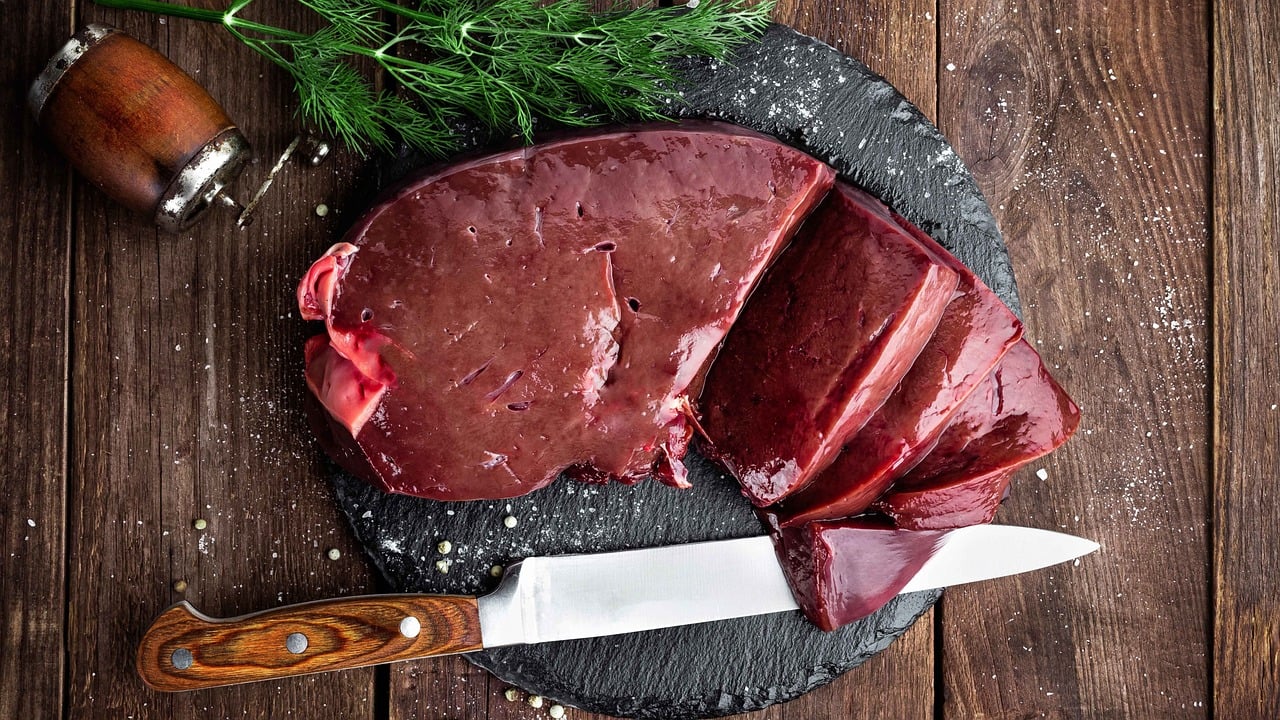
- Beef liver — 6.5mg per 100g serving
- Beef (sirloin, chuck) — 2.5–3mg per 100g serving
- Oysters — 5mg per 100g (around 6 medium oysters)
- Mussels — 6.7mg per 100g
- Clams — 28mg per 100g (exceptional)
- Dark turkey meat — 1.5mg per 100g
- Sardines — 2.9mg per 100g
- Tuna — 1.0mg per 100g
Non-Heme Iron Sources (Plant)
- White beans — 8mg per cup cooked
- Lentils — 6.6mg per cup cooked
- Tofu — 6.6mg per cup
- Chickpeas — 4.7mg per cup cooked
- Spinach (cooked) — 6.4mg per cup
- Pumpkin seeds — 2.5mg per ounce
- Dark chocolate (70-85%) — 3.4mg per ounce
- Quinoa — 2.8mg per cup cooked
- Fortified breakfast cereals — varies (often 8–18mg per serving)
Boosting Iron Absorption
A few practical tactics to get more from the iron you eat:
- Pair plant iron with vitamin C. A salad of spinach (iron) with bell peppers (vitamin C) and orange segments significantly boosts iron absorption compared to spinach alone.
- Cook in cast iron. Cooking acidic foods (tomato sauce, chili) in cast iron pans transfers a small but meaningful amount of iron into the food.
- Avoid tea or coffee with iron-rich meals. The tannins reduce iron absorption substantially. Save your coffee for an hour or two after the meal.
- Don’t take calcium supplements with iron-rich meals. Calcium competes with iron for absorption.
- Combine plant and animal iron sources. Heme iron in a meal also improves absorption of any non-heme iron consumed at the same meal.
Iron Deficiency: Signs and What to Do
Common signs of iron deficiency include persistent fatigue, weakness, pale skin, shortness of breath during normal activity, brittle nails, unusual cravings (especially for ice or starch), and restless legs syndrome. If you notice these symptoms — particularly if you are a premenopausal woman, vegetarian, or have heavy menstrual periods — ask your doctor for a serum ferritin test alongside a basic complete blood count. Ferritin is a more sensitive marker for early iron deficiency than haemoglobin.
Iron supplements should generally only be taken under medical guidance. Excess iron is not excreted easily and can accumulate in tissues over time. Iron overload (hemochromatosis) is a real condition with its own serious consequences. Treat iron supplementation as a medication, not a vitamin.
References
- NIH Office of Dietary Supplements — Iron — Authoritative reference on iron
- World Health Organization — Anaemia — Global epidemiology of iron deficiency
- Harvard T.H. Chan — Iron — Evidence-based overview
- CDC — Iron — Federal guidance on iron deficiency
- Mayo Clinic — Iron deficiency anemia — Clinical overview of iron deficiency
- USDA FoodData Central — Reference database for nutrient content of foods