This is part of our Milk Alternatives Complete Guide. See also Best Milk Alternative for Weight Loss and Unsweetened vs Sweetened Almond Milk.
Milk Alternatives Ranked by Calories (per 240ml cup, unsweetened)
1. Unsweetened Almond Milk — ~30 caloriesAlmond milk is the lowest-calorie major plant milk available. At approximately 30 calories per cup, it contains about 80% fewer calories than whole dairy milk. It is low in protein (1g per cup) and carbohydrates (1g per cup) with around 3g of unsaturated fat. Unsweetened versions are essential — sweetened almond milks can double or even triple the calorie count.
2. Carton Coconut Milk — ~45 calories
Carton coconut milk comes in at around 45 calories per cup — just above almond milk. Note again that this refers to the carton variety sold in the dairy aisle, not canned coconut milk which is a completely different product used for cooking and is very high in calories.
3. Unsweetened Soy Milk — ~80 calories
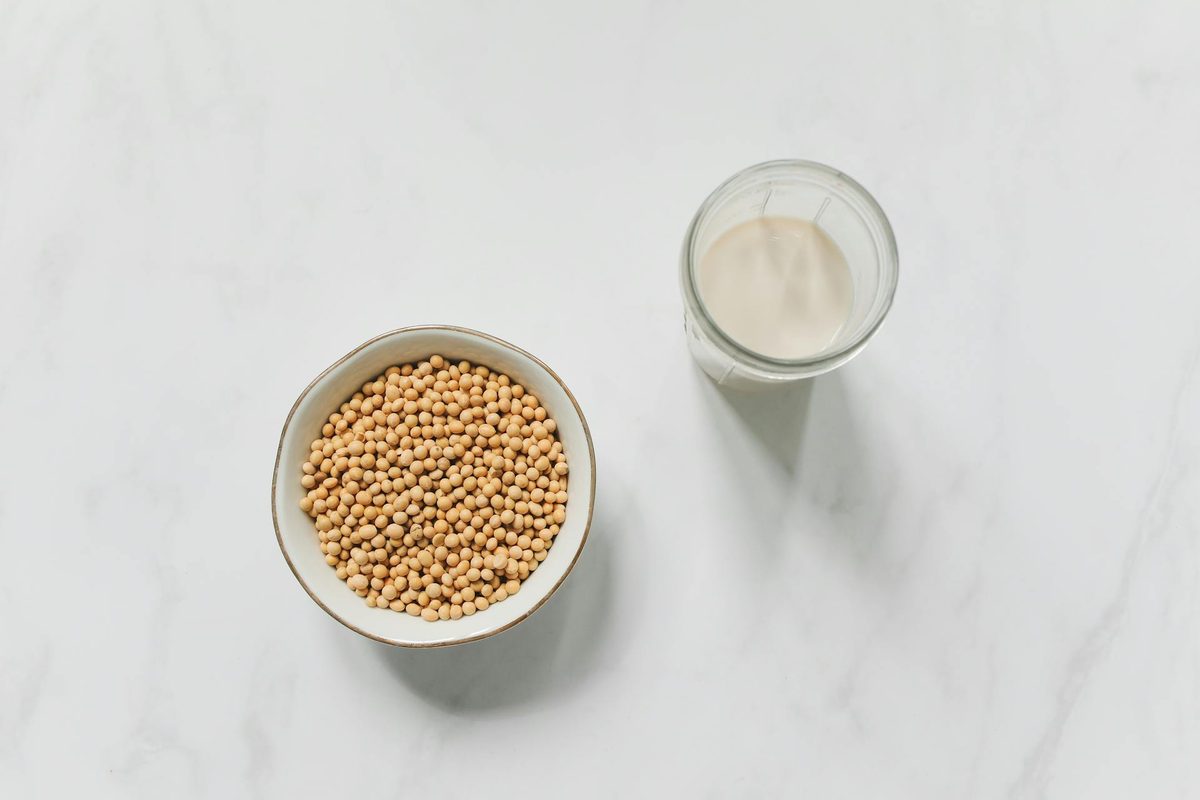
Soy milk contains around 80 calories per cup — moderate for a plant milk and significantly lower than whole dairy milk. Its advantage is that it provides 7g of protein per cup, making those 80 calories considerably more nutritious than almond or coconut milk's calories.
4. Oat Milk — ~120 calories
Oat milk is the highest-calorie major plant milk at around 120 calories per cup. Its higher calorie content comes primarily from carbohydrates — around 16g per cup — derived from oat starch. It is still lower in calories than whole dairy milk (149 calories) but the gap is smaller than many people expect.
5. Whole Dairy Milk — ~149 calories
Whole dairy milk is the highest-calorie option in this comparison at around 149 calories per cup. It is also the most nutritionally complete, providing 8g of protein, calcium, vitamin D, and B12 naturally.
The Sweetened vs Unsweetened Trap
The single most important thing to check when buying plant milk for calorie control is whether it is sweetened or unsweetened. Sweetened versions of any plant milk add significant calories through added sugar. A sweetened almond milk at 60–80 calories per cup is two to three times the calories of the unsweetened version. Always read the label and choose unsweetened for the lowest calorie option.Use our Daily Calorie Needs Calculator to find your daily calorie target and our Food Tracker to log your intake.
References
- USDA FoodData Central — Reference database for nutrient content of foods
- Academy of Nutrition and Dietetics — The Truth About Non-Dairy Beverages — Professional dietitian guidance on plant milks
- Harvard T.H. Chan — Milk — Evidence-based overview of plant milks
- American Heart Association — Losing Weight — Cardiovascular guidance on weight loss
- CalorieDetails Daily Calorie Needs Calculator — Calculate your daily calorie target