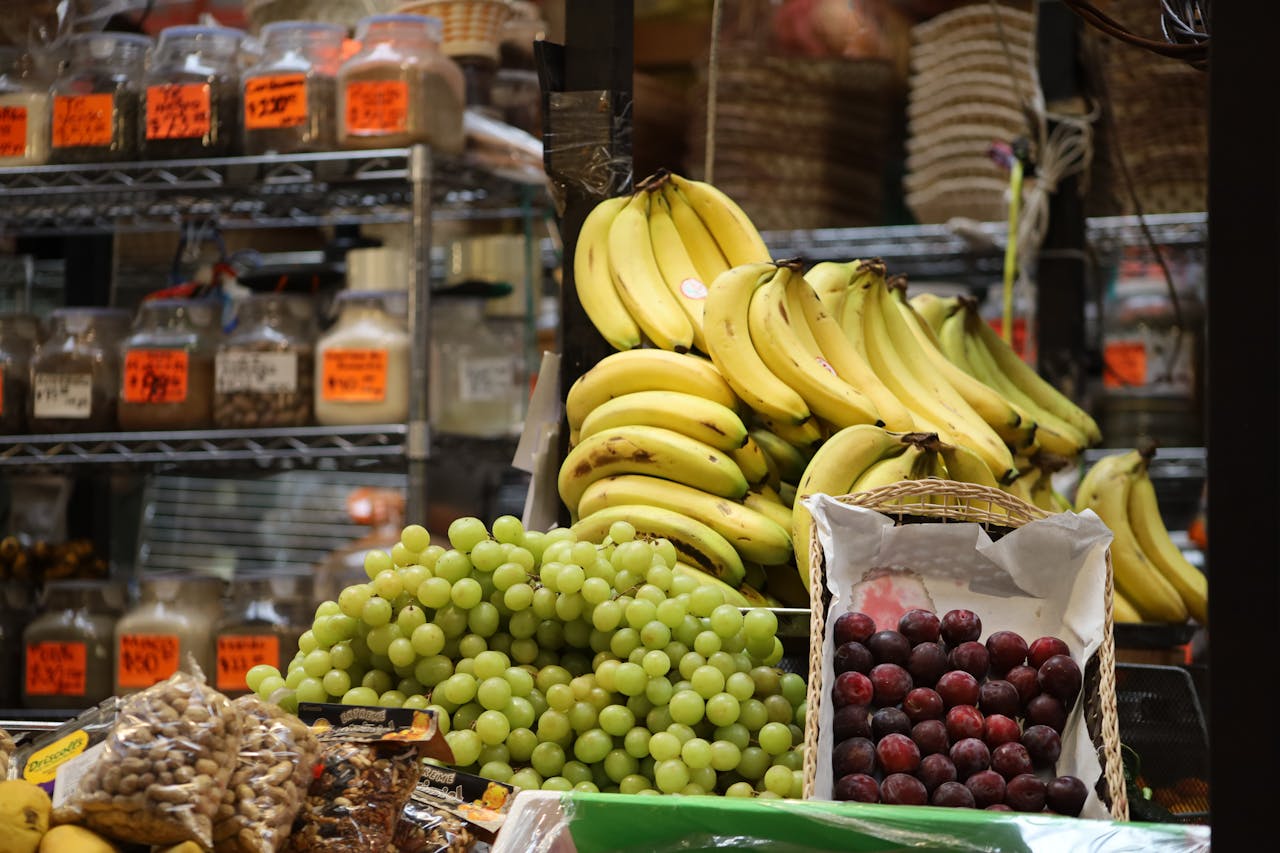
Natural fruit sugars are not the same as added sugars, but they still affect blood sugar levels and calorie intake. Understanding which fruits are highest and lowest in sugar helps diabetics, keto dieters, and anyone watching their sugar intake make better choices.
Fruits Ranked by Sugar Content (per 100g, lowest to highest)
- 1. Avocado — 0.7g sugar — The lowest sugar fruit by far. Ideal for keto and low-sugar diets. See avocado nutrition
- 2. Raspberries — 4.4g sugar — Among the lowest sugar berries, also high in fibre. See raspberry nutrition
- 3. Blackberries — 4.9g sugar — Low sugar with high fibre and antioxidant content. See blackberry nutrition
- 4. Strawberries — 4.9g sugar — Low sugar, high in vitamin C and fibre. See strawberry nutrition
- 5. Watermelon — 6.2g sugar — Despite its sweet taste, watermelon is relatively low in sugar due to its high water content. See watermelon nutrition
- 6. Cantaloupe — 7.9g sugar — Moderate sugar, high in beta-carotene. See cantaloupe nutrition
- 7. Peach — 8.4g sugar — Moderate sugar with good fibre content. See peach nutrition
- 8. Kiwi — 9g sugar — Moderate sugar, excellent vitamin C source. See kiwi nutrition
- 9. Blueberries — 10g sugar — Moderate sugar but exceptionally high in antioxidants. See blueberry nutrition
- 10. Apple — 10.4g sugar — Moderate sugar, high in pectin fibre. See apple nutrition
- 11. Pineapple — 9.9g sugar — Moderate-high sugar, high in manganese and bromelain. See pineapple nutrition
- 12. Orange — 9.4g sugar — Moderate sugar, high in vitamin C. See orange nutrition
- 13. Cherries — 12.8g sugar — Higher sugar content among common fruits. See cherry nutrition
- 14. Grapes — 16.3g sugar — Among the highest sugar whole fruits. See grape nutrition
- 15. Mango — 14.8g sugar — High in natural sugars, particularly fructose. See mango nutrition
- 16. Banana — 17.2g sugar — One of the highest sugar whole fruits, though riper bananas have more sugar than less ripe ones. See banana nutrition
Natural Sugar vs Added Sugar: What's the Difference?
Natural sugars in fruit come packaged with fibre, water, vitamins, and minerals — this combination slows sugar absorption and blunts blood sugar spikes compared to eating the same amount of refined sugar. The fibre in raspberries and blackberries is particularly effective at slowing glucose absorption, which is why they're recommended for diabetics despite containing sugar.
Glycaemic Index vs Sugar Content
High sugar content doesn't always mean a high glycaemic index. Watermelon has a relatively high GI (72) despite its low sugar per 100g because it's quickly absorbed. Apples have a lower GI (38) despite moderate sugar because their pectin fibre slows digestion significantly. For blood sugar management, fibre content is as important as sugar content.
Track your fruit sugar intake with our Food Tracker. See our complete guide to fruits ranked by calories.
References
- USDA FoodData Central — Reference database for nutrient content of foods
- American Heart Association — Added Sugars — Cardiovascular guidance on sugar intake
- Harvard T.H. Chan — Vegetables and Fruits — Evidence-based overview of fruits and vegetables
- American Diabetes Association — Eating Fruit — Authoritative guidance on fruit in diabetic diets
- Mayo Clinic — Diabetes diet: Create your healthy-eating plan — Clinical guidance on diabetic diet planning
- Academy of Nutrition and Dietetics — Fruits — Professional dietitian guidance on fruit consumption